-
E-mail
jiachenhuanbao@163.com
-
Phone
15133798595
-
Address
No. 4 Road, Botou Development Zone
Product Categories
Cangzhou Jiachen Environmental Protection Machinery Equipment Co., Ltd
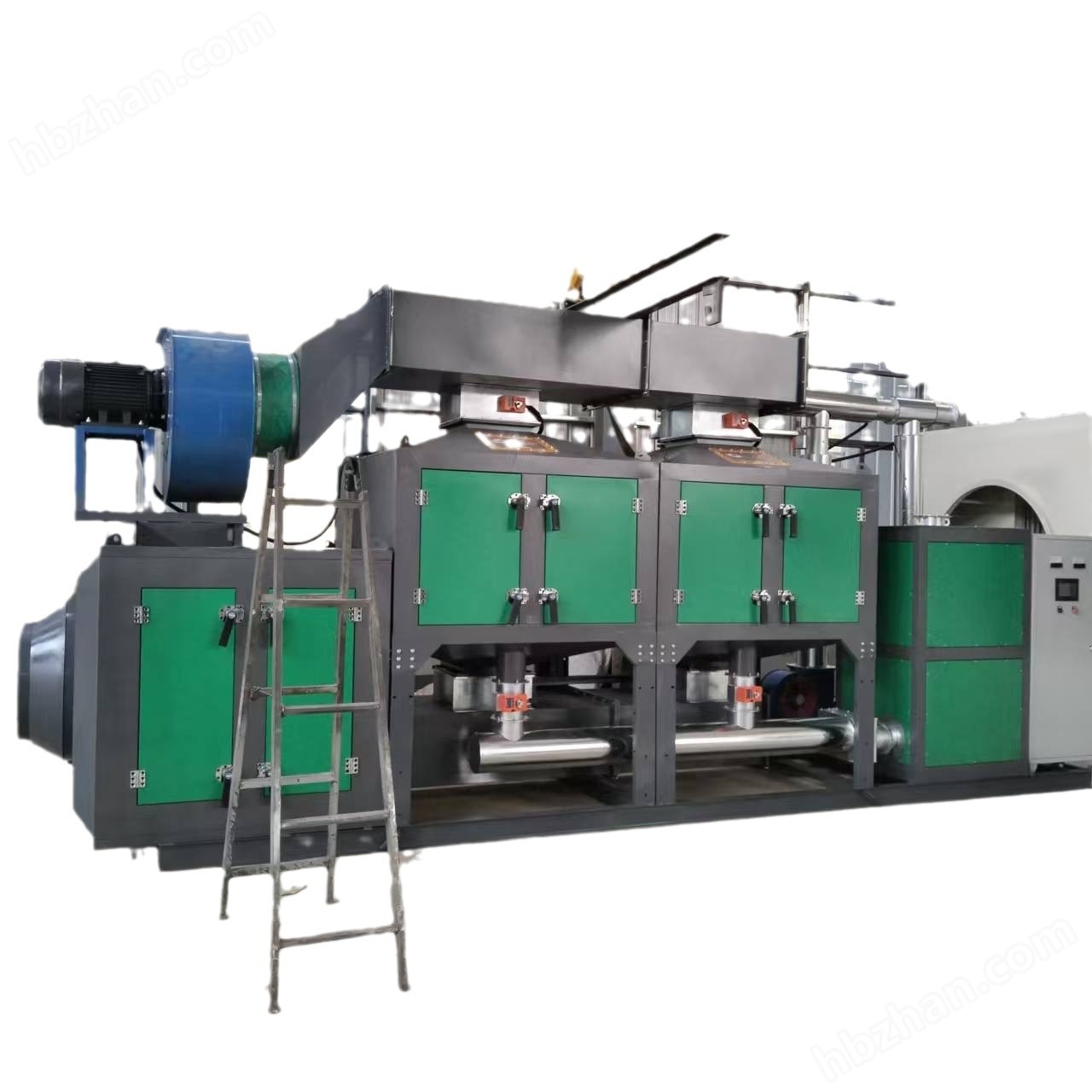


Printing factory industrial waste gas activated carbon adsorption equipment catalytic combustion
NegotiableUpdate on 04/01
- Model
- Nature of the Manufacturer
- Producers
- Product Category
- Place of Origin
Overview
The activated carbon adsorption equipment for industrial waste gas in printing factories catalyzes combustion, converting organic matter in the waste gas into harmless CO ₂ and H ₂ O through catalytic action, with a purification efficiency of over 95%. In the production of furniture factories, catalytic combustion needs to be closely coordinated with the furniture factory's woodworking dust collector - the furniture factory's woodworking dust collector first removes particulate matter such as sawdust and dust from the exhaust gas to avoid clogging the catalyst pores of the catalytic combustion equipment and ensure the stability of the catalytic reaction.
Product Details

Printing factory industrial waste gas activated carbon adsorption equipment catalytic combustion
Catalytic combustion equipment, with its advantages of high efficiency, energy saving, and no secondary pollution, has become an important environmental protection equipment for industries such as furniture factories that generate organic waste gas. In the production process of furniture factories, processes such as painting and drying generate waste gases containing organic compounds such as benzene, toluene, and xylene, while cutting and polishing processes generate a large amount of sawdust. If only treated with catalytic combustion equipment, the dust is prone to adhere to the surface of the catalyst, leading to catalyst deactivation. Therefore, it must be used in conjunction with furniture factory woodworking dust collectors to form a complete treatment process of "dust pretreatment+organic waste gas purification". To fully leverage the governance effects of both, it is necessary to first understand the working principle of catalytic combustion, and then master the key points of collaboration with furniture factory woodworking dust collectors.
Firstly, the working principle of catalytic combustion equipment is based on catalytic oxidation reaction, and the core consists of four parts: pretreatment system, heating system, catalytic reaction chamber, and heat exchange system. The organic waste gas enters the pre-treatment system for the first time to remove impurities such as moisture and oil mist (in the furniture factory scene, it needs to be treated by the furniture factory's woodworking dust collector before pre-treatment); Subsequently, it enters the heating system and, under the action of an electric heater or a gas heater, raises the exhaust gas temperature to the active temperature of the catalyst (usually 250 ℃ -400 ℃); The heated exhaust gas enters the catalytic reaction chamber, where organic molecules undergo oxidation and decomposition under the action of precious metal catalysts (such as platinum and palladium) or non precious metal catalysts, producing CO ₂ and H ₂ O. Finally, the purified high-temperature gas enters the heat exchange system and exchanges heat with unheated low-temperature exhaust gas, recovering some heat and reducing the energy consumption of the heating system - this process makes the thermal efficiency of catalytic combustion equipment reach over 80%, significantly reducing operating costs. In the exhaust gas treatment of furniture factories, catalytic combustion equipment needs to select appropriate catalyst types based on the high concentration of organic compounds in spray painting exhaust gas to ensure a stable purification efficiency of over 95% for benzene derivatives.
Secondly, the collaborative use of catalytic combustion equipment and furniture factory woodworking dust collectors depends on process connection, parameter matching, and maintenance coordination, which directly determines the stability and efficiency of the overall governance system. From the perspective of process connection, the treatment of exhaust gas and dust in furniture factories needs to follow the order of "dust removal first and then purification": the dusty exhaust gas generated in the woodworking workshop (such as sawdust from the polishing process) enters the furniture factory's woodworking dust collector, and through the filtering effect of filter bags or filter cartridges, more than 99% of the dust particles (particle size ≥ 0.3 μ m) are removed, avoiding dust from entering the catalytic combustion equipment with the exhaust gas - if the dust is not effectively removed, it will block the catalyst pores of the catalytic combustion equipment, leading to a decrease in catalyst activity, and even causing catalyst sintering failure, increasing equipment maintenance costs. After being treated by the woodworking dust collector in the furniture factory, the clean exhaust gas enters the catalytic combustion equipment for organic waste gas purification, forming a closed loop of "dust exhaust gas" step-by-step treatment to ensure that the final emission gas meets the environmental standards for both dust and organic matter.
In terms of parameter matching, it is necessary to ensure that the processing air volume of the woodworking dust collector in the furniture factory is consistent with that of the catalytic combustion equipment, in order to avoid increasing system resistance or treatment due to mismatched air volume. Furniture factories need to calculate the total amount of waste gas based on their production scale. For example, the total amount of waste gas from painting and woodworking workshops in small and medium-sized furniture factories is about 10000-20000m ³/h. At this time, furniture factory woodworking dust collectors with a processing air volume of 15000-25000m ³/h should be selected (with a certain amount of air volume redundancy reserved), and catalytic combustion equipment of the same air volume level should be matched to ensure that the residence time of waste gas in the equipment meets the requirements - the airflow velocity in the furniture factory woodworking dust collector should be controlled at 1-2m/min to ensure sufficient dust filtration; The residence time of exhaust gas in catalytic combustion equipment should be ≥ 1 second to ensure the complete oxidation and decomposition of organic exhaust gas. In addition, the dust concentration at the outlet of the woodworking dust collector in the furniture factory needs to be controlled at ≤ 10mg/m ³. If this indicator is exceeded, it is necessary to check whether the filter bag of the dust collector is damaged and whether the dust cleaning system is normal to avoid high concentration dust entering the catalytic combustion equipment and affecting the performance of the catalyst.
Maintaining cooperation is another key to ensuring long-term collaborative operation between the two. Furniture factories need to develop a coordinated maintenance plan: on the one hand, regularly maintain the furniture factory's woodworking dust collector, check the damage of the filter bag every week, replace the filter bag every 3-6 months (adjusted according to the dust concentration), clean the dust accumulation in the dust hopper of the dust collector every month, and ensure that the dust collector always maintains high dust removal efficiency - if the filter bag of the furniture factory's woodworking dust collector is not replaced in a timely manner, it will lead to excessive dust emissions, thereby polluting the catalyst of the catalytic combustion equipment; On the other hand, synchronous maintenance of catalytic combustion equipment should be carried out, and catalyst activity should be tested every 6-12 months. If a decrease in activity is found, it is necessary to check whether dust pollution is caused by the furniture factory's woodworking dust collector, and promptly clean the surface dust of the catalyst or replace the catalyst. At the same time, it is necessary to check monthly whether the connecting pipes of the two are leaking. If there are leaks in the pipes, it will cause untreated dust containing exhaust gas to directly enter the catalytic combustion equipment, affecting the effectiveness of system treatment.
In addition, in the practical application of furniture factories, attention should be paid to some details to optimize the collaborative effect. For example, installing a temperature monitoring device on the pipeline between the woodworking dust collector and the catalytic combustion equipment in a furniture factory. If the exhaust gas temperature in the woodworking workshop is too high (over 60 ℃), it needs to be cooled down through a cooling device first to avoid high-temperature gas damaging the filter bag of the woodworking dust collector in the furniture factory; Install a dust concentration monitor at the inlet of the catalytic combustion equipment to monitor the real-time concentration of dust entering the equipment. If the concentration exceeds the standard, immediately trigger an alarm and suspend the operation of the catalytic combustion equipment. Check the operation status of the furniture factory's woodworking dust collector. In addition, the control systems of the two can be linked to achieve timing control of "30 minutes after the furniture factory woodworking dust collector starts, the catalytic combustion equipment restarts", ensuring that the dust collector enters a stable operating state before starting the exhaust gas purification process.
In short, catalytic combustion equipment achieves organic waste gas purification through catalytic oxidation reactions, and its synergistic use with furniture factory woodworking dust collectors is the key to solving the "dust+waste gas" composite pollution in furniture factories. Users need to master the key points of process connection, parameter matching, and maintenance coordination between the two, regularly check the operation status of equipment, in order to ensure the stability and efficiency of the overall governance system, meet environmental emission requirements, and reduce equipment operation and maintenance costs, providing guarantees for the green production of furniture factories.
Printing factory industrial waste gas activated carbon adsorption equipment catalytic combustion
Similar Product Recommend


