-
E-mail
sale1@shybsw.net
-
Phone
18321282235
-
Address
Room 806, 8th Floor, Longzhimeng Building, 6088 Humin Road, Shanghai
Product Categories
Shanghai Yubo Biotechnology Co., Ltd


Rat primary cells
NegotiableUpdate on 04/25
- Model
- Nature of the Manufacturer
- Producers
- Product Category
- Place of Origin
Overview
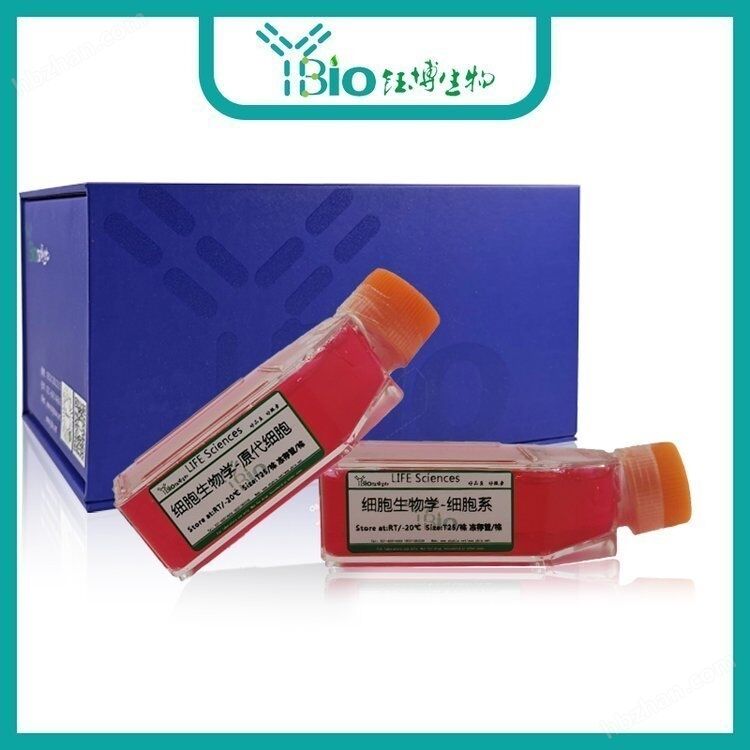
Rat primary cells: Primary cells are a high-tech enterprise specializing in the sales of cell biology products. The products cover human primary cells, animal primary cells, cell culture media, serum, stem cells, transfection reagents, cell detection kits, and other cells.
Product Details
Rat primary cellsPassage method:
1、 The digestion method for passaging adherent cells
1. Remove or discard the old culture medium from the bottle.
2. Add about 1ml of digestive solution (mixed with EDTA) and gently shake the culture bottle until all cells at the bottom of the bottle are immersed in the solution.
3. After digestion for 2-5 minutes, the culture bottle was placed under a microscope for observation. It was found that the originally adherent cells gradually became round. Before floating up, the digestion solution was discarded and the culture solution was added to terminate digestion.
4. Blow the adherent cells into a suspension using a straw, and inoculate them into two to three additional culture bottles. Continue culturing in a 37 ℃ incubator. The next day, observe the growth of the adhesive wall.
2、 Passage of suspended cells
1. Direct passage
1) After allowing the suspended cells to slowly settle at the bottom of the bottle, aspirate 1/2-2/3 of the supernatant.
2) After forming a cell suspension by blowing with a straw, inoculate it into two to three other culture bottles and incubate them in a 37 ℃ incubator.
2. Centrifugal method for passage
1) Transfer the cells along with the culture medium into a centrifuge tube and centrifuge at 800-1000rpm for 5 minutes.
2) Remove the supernatant, add new culture medium into a centrifuge tube, and blow with a pipette to form a cell suspension.
3) Inoculate the cell suspension into two to three additional culture bottles and incubate them in a 37 ℃ incubator.
Rat primary cells5 common mistakes in cultivation
Error 1:Thaw a small tube of primary cells in a water bath for a period of time
Correction 1Primary cells are highly sensitive to the thawing process, so it is important to place the vial in a 37 ° C water bath and gently rotate it until the contents have just thawed. Then the small bottle should be immediately removed from the water bath and transferred to a sterile workstation. Ensure that your culture bottle is ready before thawing so that it can be used immediately for seeding cells and placed in the incubator.
Error 2:After thawing the small bottle, centrifuge the primary cells directly
Correction 2:We do not recommend centrifuging cells after thawing, as centrifugation procedures are more harmful than small amounts of DMSO residue. Remember to replace the culture medium on the second day after restoring the primary cells to remove any residual DMSO.
Error 3:Allow primary cells to become overly fused
Correction 3:When grown to 100 confluents, primary cells can become senescent. Remember, primary cells are not 100% pure, so it is important to minimize the growth of contaminated cells as much as possible. We recommend subculturing primary cells when they reach 90-95% fusion.
Error 4:Primary cells can be easily cryopreserved
Correction 4:We usually do not recommend refreezing primary cells as this can promote cell aging and/or cause functional changes. Primary cells are highly sensitive, and refreezing them may lead to cell death or damage.
Error 5:Primary cells can proliferate infinitely
Correction 5:Unlike cell lines, primary cells have limited expansion capacity. We recommend using primary cells for experiments as early as possible to prevent genetic drift. In addition, if you are using a cell type that is difficult to proliferate, you should closely monitor cell morphology, as a small amount of mixed cells (such as fibroblasts) may grow in large numbers over time and become dominant cells.