-
E-mail
hzhbhbjx@163.com
-
Phone
15268749819
-
Address
No. 1366 Hongfeng Road, Huaqiang Environmental Science and Technology Park, Huzhou City, Zhejiang Province
Product Categories
Huzhou Hebang Environmental Protection Machinery Co., Ltd
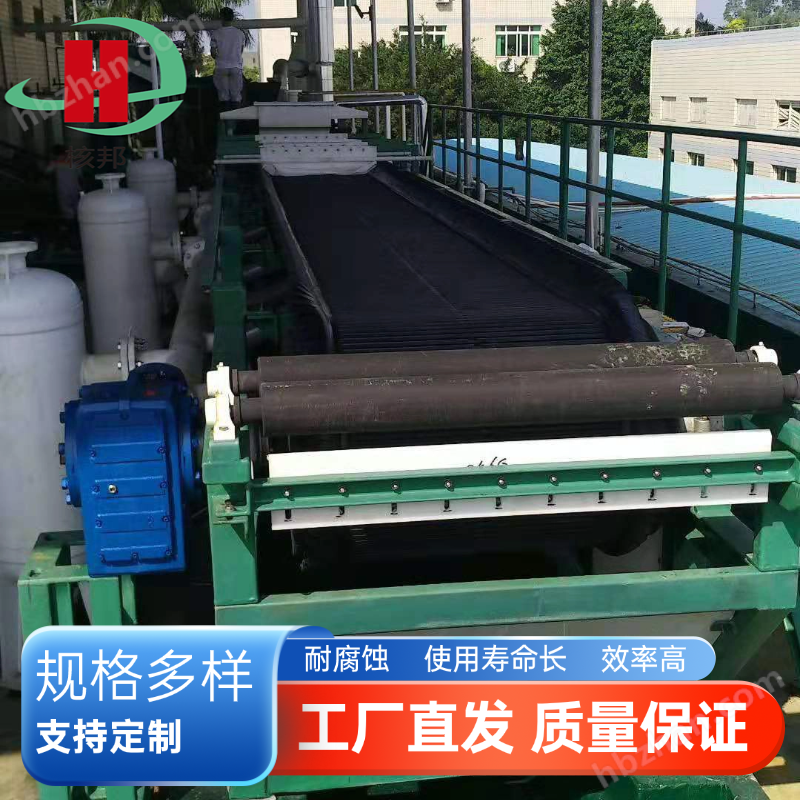
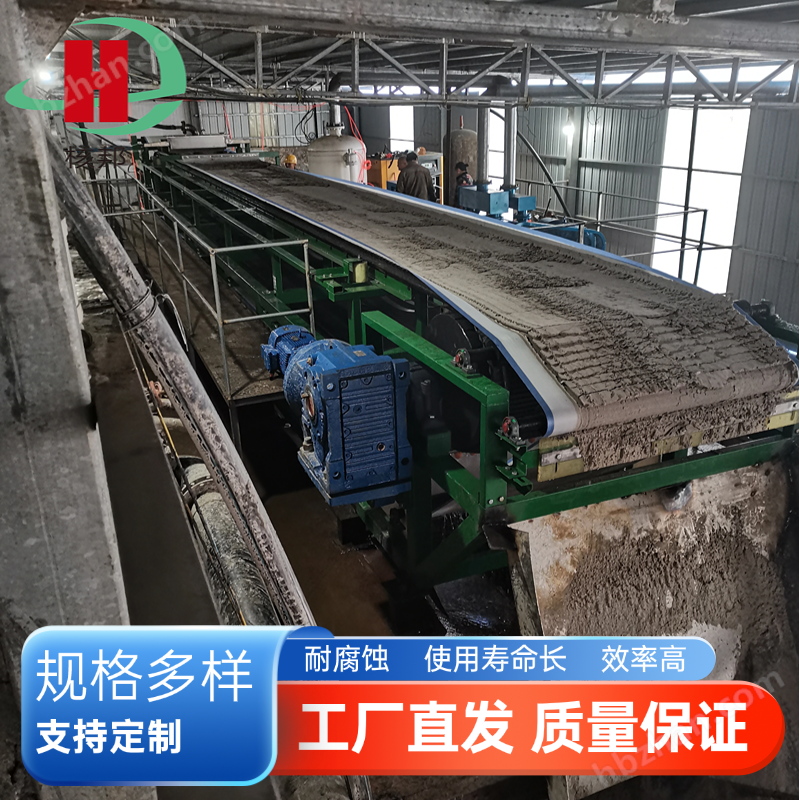
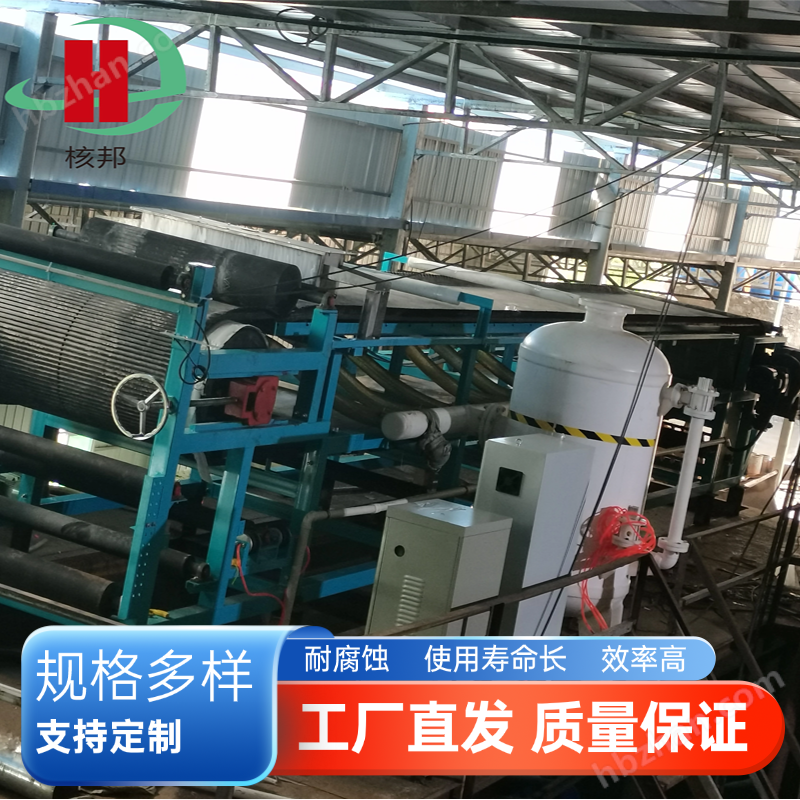
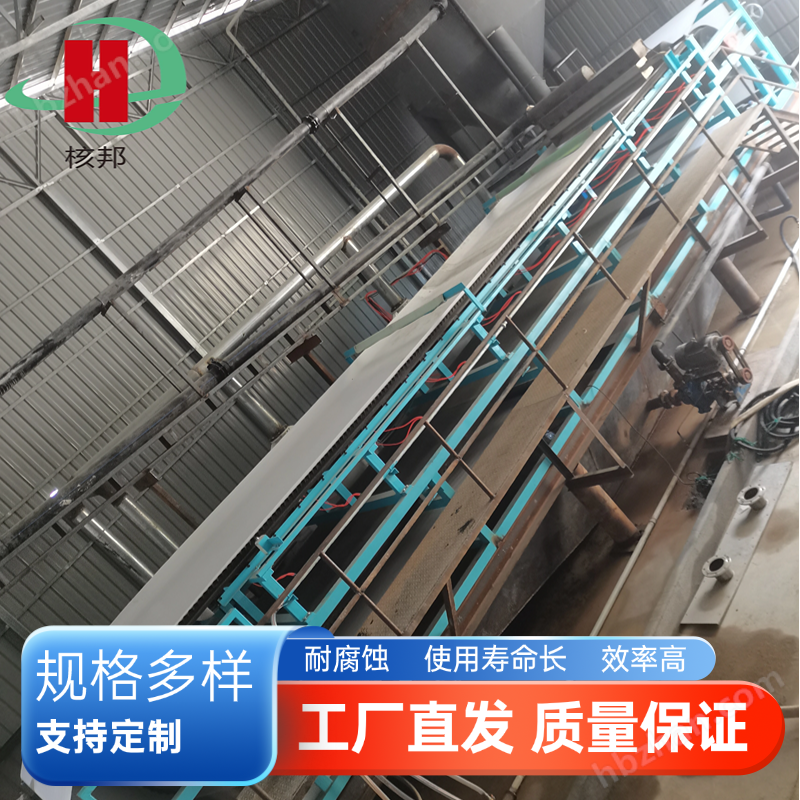

Rubber belt vacuum filter machine for coal washing plant
NegotiableUpdate on 01/08
- Model
- Nature of the Manufacturer
- Producers
- Product Category
- Place of Origin
Overview
The thickness of the filter cake, washing water volume, reflux stage, vacuum degree, and filter cloth speed of the rubber belt vacuum filter in the coal washing plant can be dynamically adjusted according to the material characteristics to optimize the separation effect. Adopting wear-resistant and corrosion-resistant rubber filter belts, combined with dynamic sealing technology, to ensure long-term stable operation and reduce maintenance frequency.
Product Details
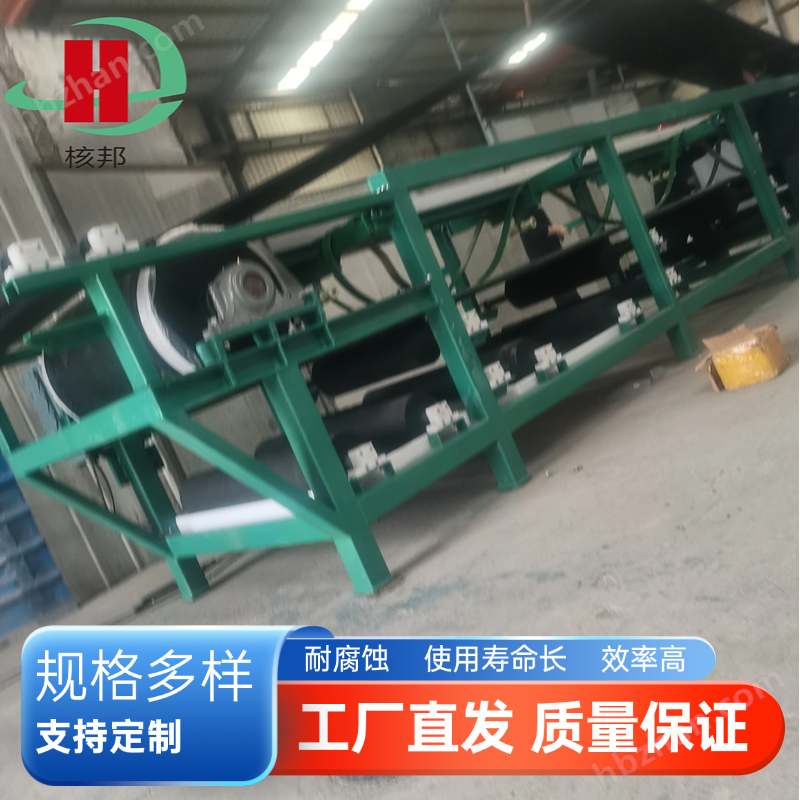
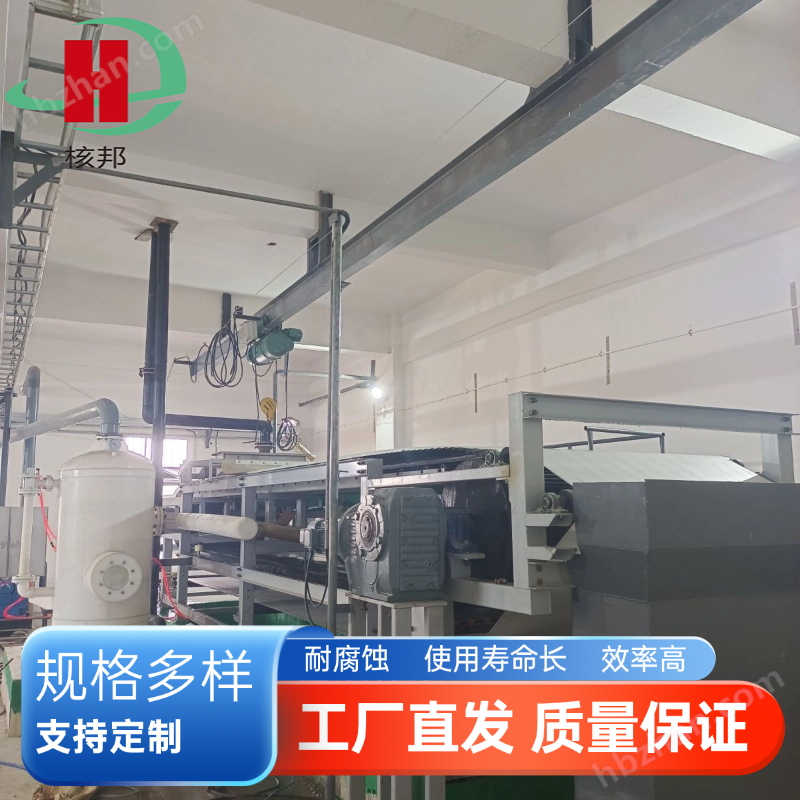
Rubber belt vacuum filter machine for coal washing plantIt is a continuous solid-liquid separation equipment driven by vacuum negative pressure and supported by an annular rubber filter belt. Its core structure includes an annular rubber filter belt, a vacuum box, a driving roller, a filter cloth correction device, and a cleaning system. The filter cloth is laid on the surface of the rubber filter belt, and the two run synchronously, forming a negative pressure environment through a vacuum system to achieve solid-liquid separation. The equipment adopts modular design, which is convenient for transportation and installation and suitable for large-scale industrial production scenarios.
Product function:
Solid liquid separation core: Efficient separation of solids and liquids in the slurry is achieved through vacuum suction, forming a low moisture content filter cake.
Purification of filter cake: After filtration, washing solution is introduced and residual impurities in the filter cake are replaced or dissolved through a vacuum system to improve product purity.
Resource recycling: Dehydration treatment of tailings, waste residue and other materials to recover valuable components and reduce waste emissions.
Process optimization: Integrating multiple processes into one, shortening production cycles, and reducing labor and equipment costs.
Rubber belt vacuum filter machine for coal washing plantPrecautions for use
Operating standards:
Untrained personnel are strictly prohibited from operating the equipment. Before starting, it is necessary to confirm that the filter cloth is unobstructed and the vacuum system is well sealed.
Regularly check the oil level and pipeline leakage of the vacuum pump to avoid affecting the separation efficiency due to insufficient vacuum degree.
Maintenance and upkeep:
Regularly clean the filter cloth and rubber filter belt to prevent blockage and wear, and extend their service life.
Timely replace worn parts (such as friction bands) to ensure vacuum sealing effectiveness.
Safety protection
During maintenance, it is necessary to cut off the power supply and hang warning signs to prevent accidental start-up.
Wear protective equipment when operating rotating components (such as drive rollers) to avoid the risk of getting caught up.
Environmental control:
Keep the area around the equipment clean to prevent debris from entering the system and affecting its operation.
In humid environments, it is necessary to strengthen equipment rust prevention treatment to ensure the safety of electrical components.
Technical Specifications:
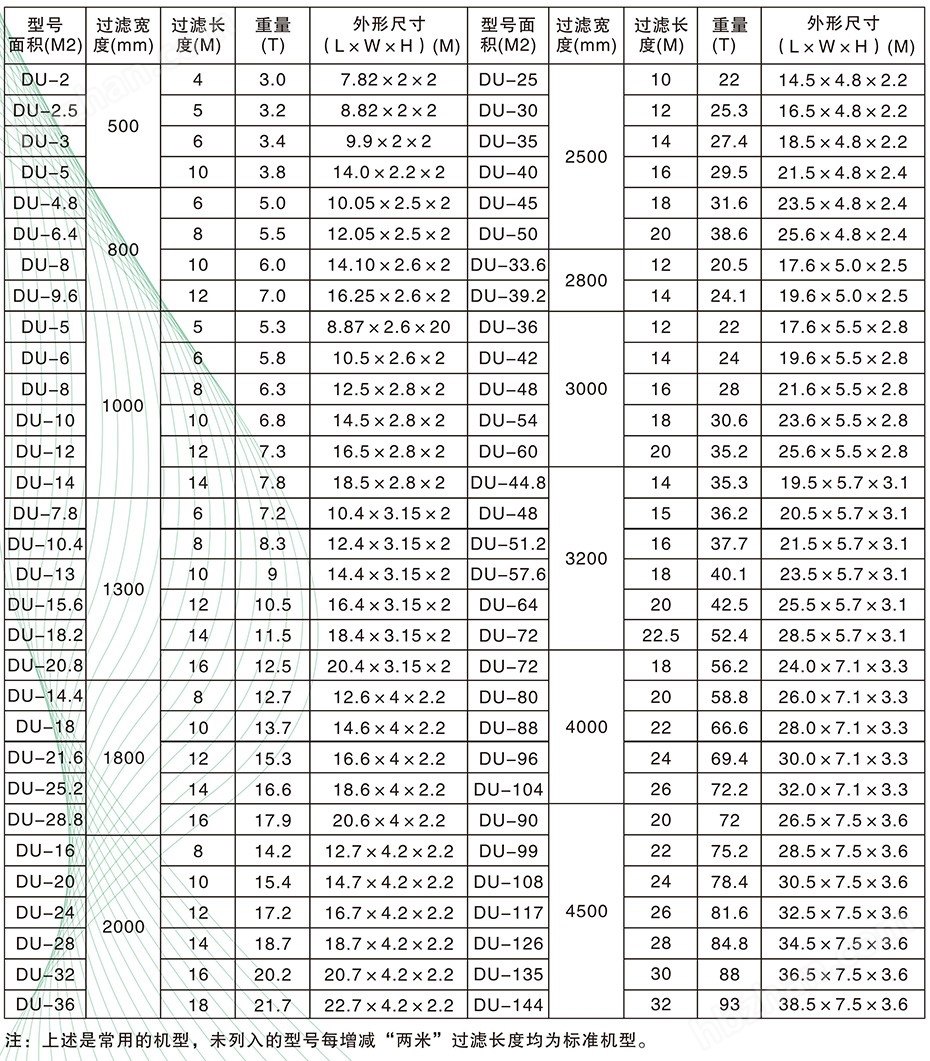
Host installation appearance:

Process flowchart:
Adopting reverse flow rinsing and spray rinsing devices, and adopting either forward flow washing or reverse flow washing methods according to the requirements of materials and processes, for better material cleaning.

Application scope:
At present, it has been widely used in industries such as metallurgy, mining, petrochemicals, chemical engineering, coal washing, papermaking, fertilizers, food, pharmaceuticals, and environmental protection for solid-liquid separation, and gypsum dehydration in flue gas desulfurization.

Similar Product Recommend