-
E-mail
shyishuang@163.com
-
Phone
13817714336
-
Address
85 Mingnan Road, Songjiang District, Shanghai
Product Categories
- Plate making wastewater treatment process
- Electrophoretic wastewater treatment equipment
- Integrated equipment for domestic sewage treatment
- Underground sewage treatment facilities
- Integrated equipment for domestic wastewater treatment
- Defatting wastewater treatment
- Copper wastewater treatment equipment
- Laboratory sewage treatment equipment
- Copper containing wastewater treatment equipment
- Industrial oily wastewater treatment equipment
- Industrial reverse osmosis pure water equipment
Shanghai Yishuang Environmental Technology Engineering Co., Ltd
Construction of spray painting electrophoresis wastewater treatment equipment
NegotiableUpdate on 03/19
- Model
- Nature of the Manufacturer
- Producers
- Product Category
- Place of Origin
Overview
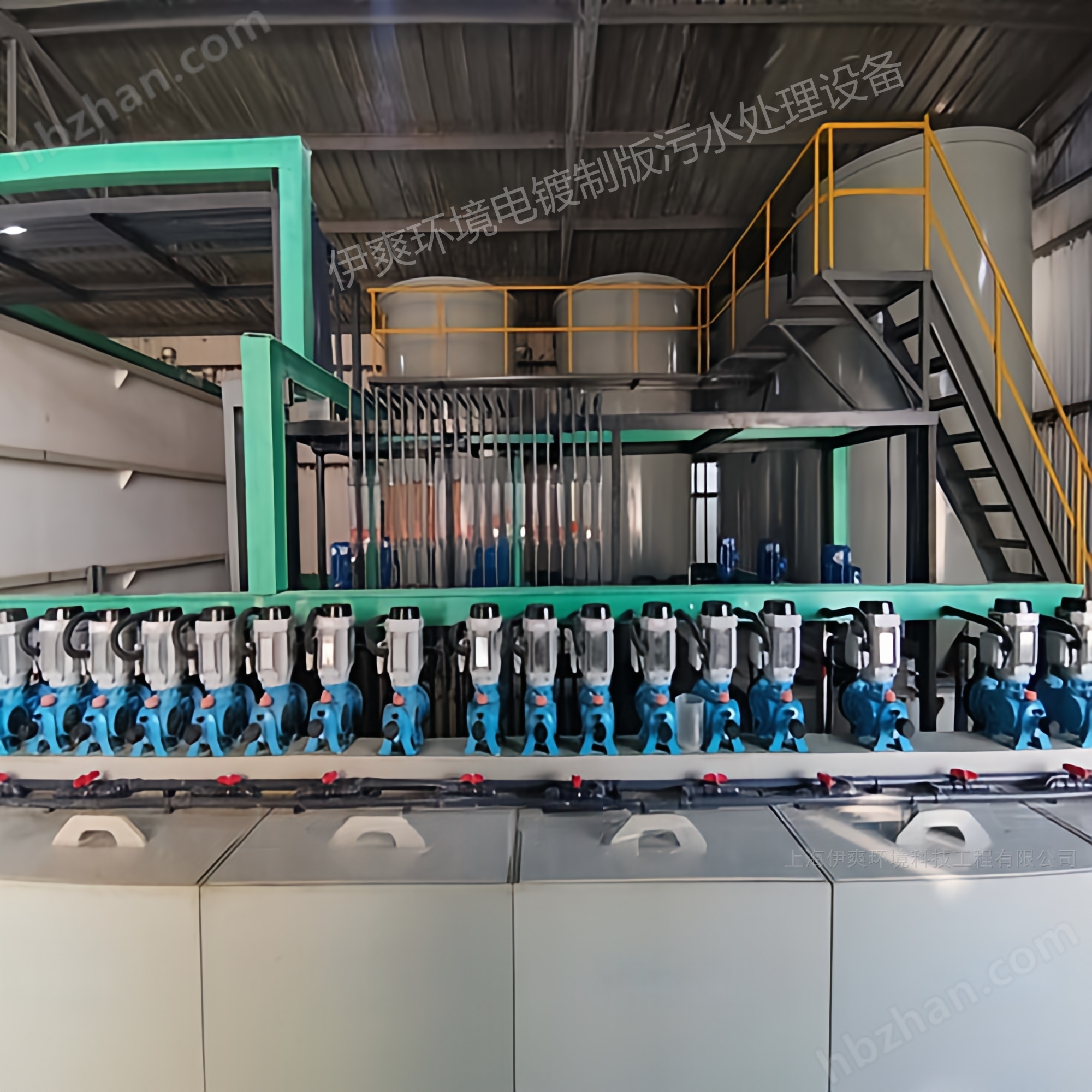
The construction of spray painting and electrophoresis wastewater treatment equipment is widely used in modern industrial production, and spray painting and electrophoresis processes are widely applied in fields such as automobile manufacturing, mechanical processing, and home appliance production, providing products with beautiful appearance and reliable protective performance. However, a large amount of wastewater containing complex pollutants will be generated during the production process. If discharged directly without effective treatment, it will cause serious harm to the environment. As a core component of industrial wastewater purification systems, spray painting electrophoresis wastewater treatment equipment integrates physical, chemical, and biological treatment technologies to achieve efficient purification of such special wastewater, providing key support for enterprises to meet emission standards and achieve sustainable development.
Product Details
In modern industrial production, spray painting and electrophoresis processes are widely used in fields such as automobile manufacturing, mechanical processing, and home appliance production, providing products with beautiful appearance and reliable protective performance. However, these processes generate a large amount of wastewater containing complex pollutants during the production process. If discharged directly without effective treatment, it will cause serious harm to the environment. As a core component of industrial wastewater purification systems, spray painting electrophoresis wastewater treatment equipment integrates physical, chemical, and biological treatment technologies to achieve efficient purification of such special wastewater, providing key support for enterprises to meet emission standards and achieve sustainable development.
Construction of spray painting electrophoresis wastewater treatment equipmentCharacteristics and processing difficulties of
Spray painting electrophoresis wastewater contains various pollutants, mainly including pigments, resins, solvents, heavy metal ions (such as lead, chromium, zinc, etc.), surfactants, and various additives used in the electrophoresis process. These pollutants have characteristics such as complex composition, large concentration fluctuations, and poor biodegradability, making them significantly more difficult to treat than ordinary industrial wastewater. For example, pigment particles and resin colloids in wastewater form a stable suspension system in water, which traditional precipitation methods are difficult to effectively remove; Solvent based substances may have inhibitory effects on the microbial activity of subsequent biological treatment units. In addition, if the heavy metal ions in electrophoresis wastewater are not treated properly and enter the environment, they will accumulate through the food chain, posing a long-term threat to ecosystems and human health.
Construction of spray painting electrophoresis wastewater treatment equipmentThe core process and technical characteristics of
Preprocessing unit: Removing suspended pollutants and demulsification
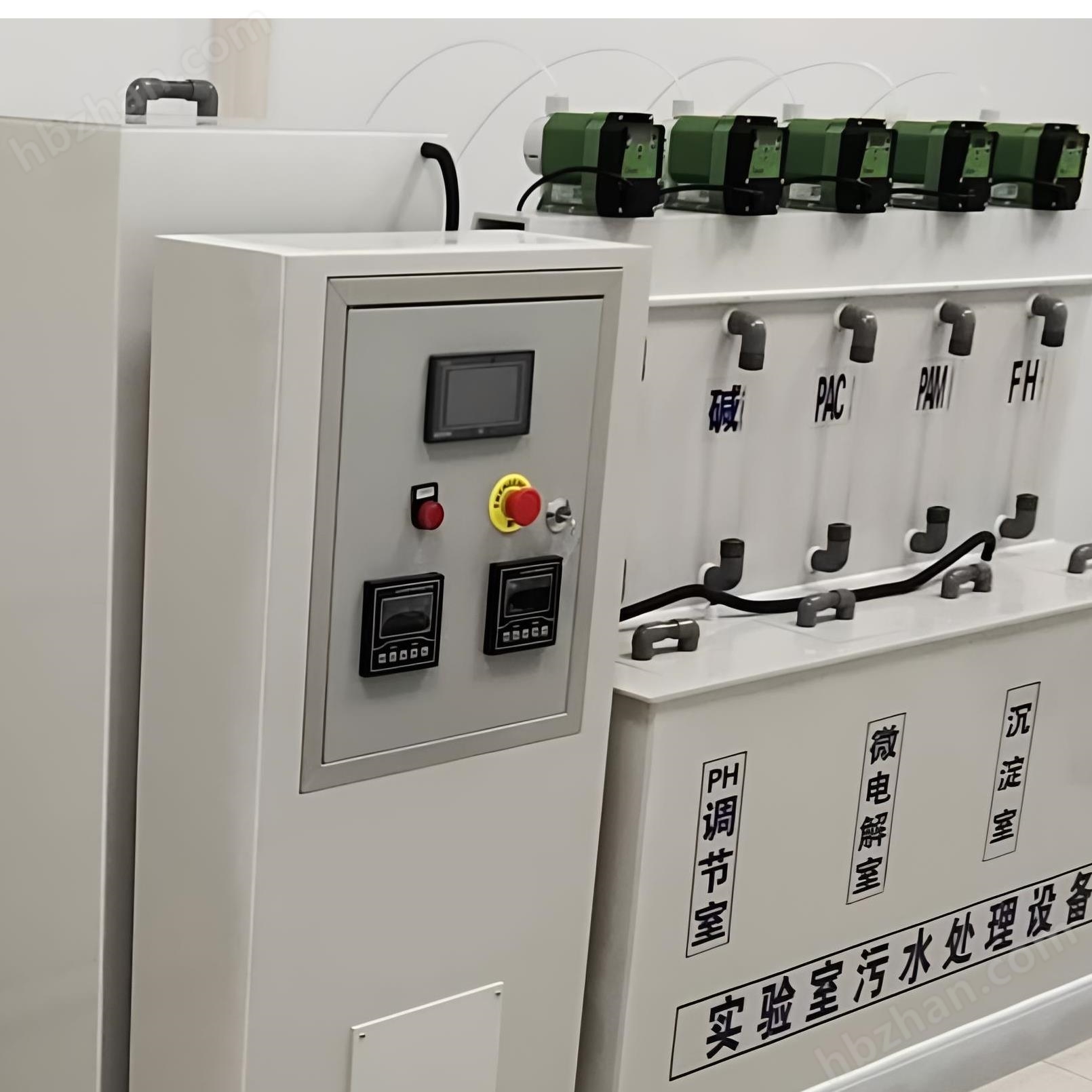
Pre treatment is the defense line for the treatment of spray painting electrophoresis wastewater, with the main goal of removing suspended particles and colloidal substances from the wastewater and reducing the load on subsequent treatment units. The commonly used pretreatment processes include grid filtration, regulating tank homogenization, coagulation sedimentation, and air flotation separation. Grille filtration can effectively intercept large particle impurities in wastewater, protecting subsequent equipment from blockage; The regulating tank ensures the stable operation of the treatment system by homogenizing the water quality and quantity; Coagulation precipitation is achieved by adding agents such as polyaluminum chloride (PAC) and polyacrylamide (PAM) to destabilize and aggregate colloidal particles, forming larger flocs, which are then removed through precipitation; The air flotation method uses tiny bubbles to attach to the surface of pollutants, causing them to float to the water surface and scrape off. It is particularly suitable for treating lightweight suspended substances and emulsified oils with densities close to water.
Deep processing unit: Degradation of organic pollutants and removal of heavy metals
The pre treated wastewater still contains a large amount of dissolved organic matter and heavy metal ions, which need to be further purified through advanced treatment units. Physical and chemical treatment technologies such as activated carbon adsorption and membrane separation (ultrafiltration, nanofiltration, reverse osmosis) play an important role in this stage. Activated carbon, with its rich pore structure and huge specific surface area, can effectively adsorb organic matter and chromaticity substances in wastewater; Membrane separation technology utilizes the selective permeability of semi permeable membranes to achieve efficient retention of heavy metal ions and small organic molecules. For wastewater containing biodegradable organic matter, biological treatment units (such as anaerobic aerobic processes, MBR membrane bioreactors) can decompose organic matter into harmless carbon dioxide and water through microbial metabolism. In addition, the chemical precipitation method removes heavy metal ions by adding agents such as sulfides and hydroxides to form insoluble precipitates.
Sludge treatment and resource recovery
During the treatment of spray painting electrophoresis wastewater, a large amount of chemical and biological sludge is generated, which contains heavy metals and organic matter and is classified as hazardous waste that needs to be properly treated. The sludge treatment unit usually includes concentration, dewatering, and drying processes. Through equipment such as plate and frame filter presses and centrifugal dewatering machines, the moisture content of sludge is reduced to below 60%, reducing the volume of sludge and facilitating subsequent disposal. In recent years, with the promotion of the concept of resource recycling, some enterprises have begun to explore the technology of sludge resource utilization, such as recovering heavy metals through high-temperature incineration or using solidification stabilization technology to make sludge into building materials, achieving the dual goals of waste reduction and resource recovery.
Key points for equipment selection and operation management
When choosing spray painting electrophoresis wastewater treatment equipment, enterprises need to comprehensively consider factors such as wastewater quality and quantity, treatment targets, site conditions, and operating costs. For small and medium-sized enterprises or intermittent production conditions, integrated and modular processing equipment can be chosen, which has the advantages of small footprint, easy installation, and simple operation; Large scale continuous production enterprises need to customize large-scale processing systems according to actual needs to ensure processing efficiency and stability. During the operation of the equipment, it is necessary to regularly monitor the inlet and outlet water quality indicators (such as COD, SS, heavy metal concentration, etc.), adjust the dosage of chemicals and process parameters in a timely manner; At the same time, strengthen equipment maintenance and upkeep, regularly clean filters, replace membrane components, and inspect key components such as pumps and valves to avoid affecting treatment effectiveness due to equipment failures.
Similar Product Recommend