-
E-mail
shyishuang@163.com
-
Phone
13817714336
-
Address
85 Mingnan Road, Songjiang District, Shanghai
Product Categories
- Plate making wastewater treatment process
- Electrophoretic wastewater treatment equipment
- Integrated equipment for domestic sewage treatment
- Underground sewage treatment facilities
- Integrated equipment for domestic wastewater treatment
- Defatting wastewater treatment
- Copper wastewater treatment equipment
- Laboratory sewage treatment equipment
- Copper containing wastewater treatment equipment
- Industrial oily wastewater treatment equipment
- Industrial reverse osmosis pure water equipment
Shanghai Yishuang Environmental Technology Engineering Co., Ltd
Copper sulfate wastewater treatment equipment
NegotiableUpdate on 03/19
- Model
- Nature of the Manufacturer
- Producers
- Product Category
- Place of Origin
Overview
Copper sulfate wastewater treatment equipment is widely used in industries such as electronics and electroplating to treat copper sulfate plating. However, if the copper containing wastewater generated during the process is directly discharged, it will cause serious pollution to the environment. The sulfuric acid copper plating wastewater treatment equipment is specially designed to solve this problem, and through a series of scientific treatment processes, it achieves the purification of wastewater and resource recovery.
Product Details
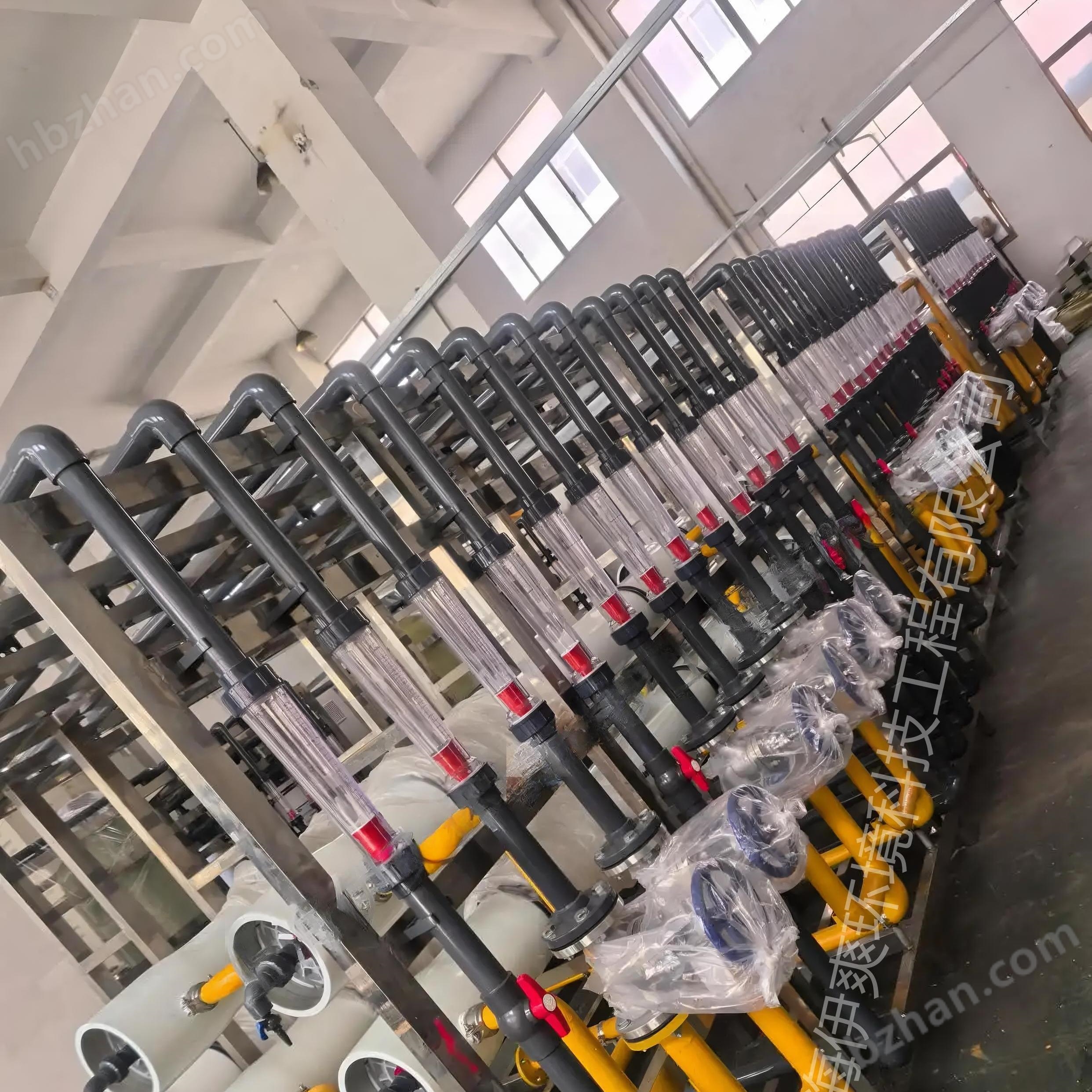
Copper sulfate wastewater treatment equipmentThe sulfuric acid copper plating process is widely used in industries such as electronics and electroplating, but if the copper containing wastewater generated during the process is directly discharged, it will cause serious pollution to the environment. The sulfuric acid copper plating wastewater treatment equipment is specially designed to solve this problem, and through a series of scientific treatment processes, it achieves the purification of wastewater and resource recovery.
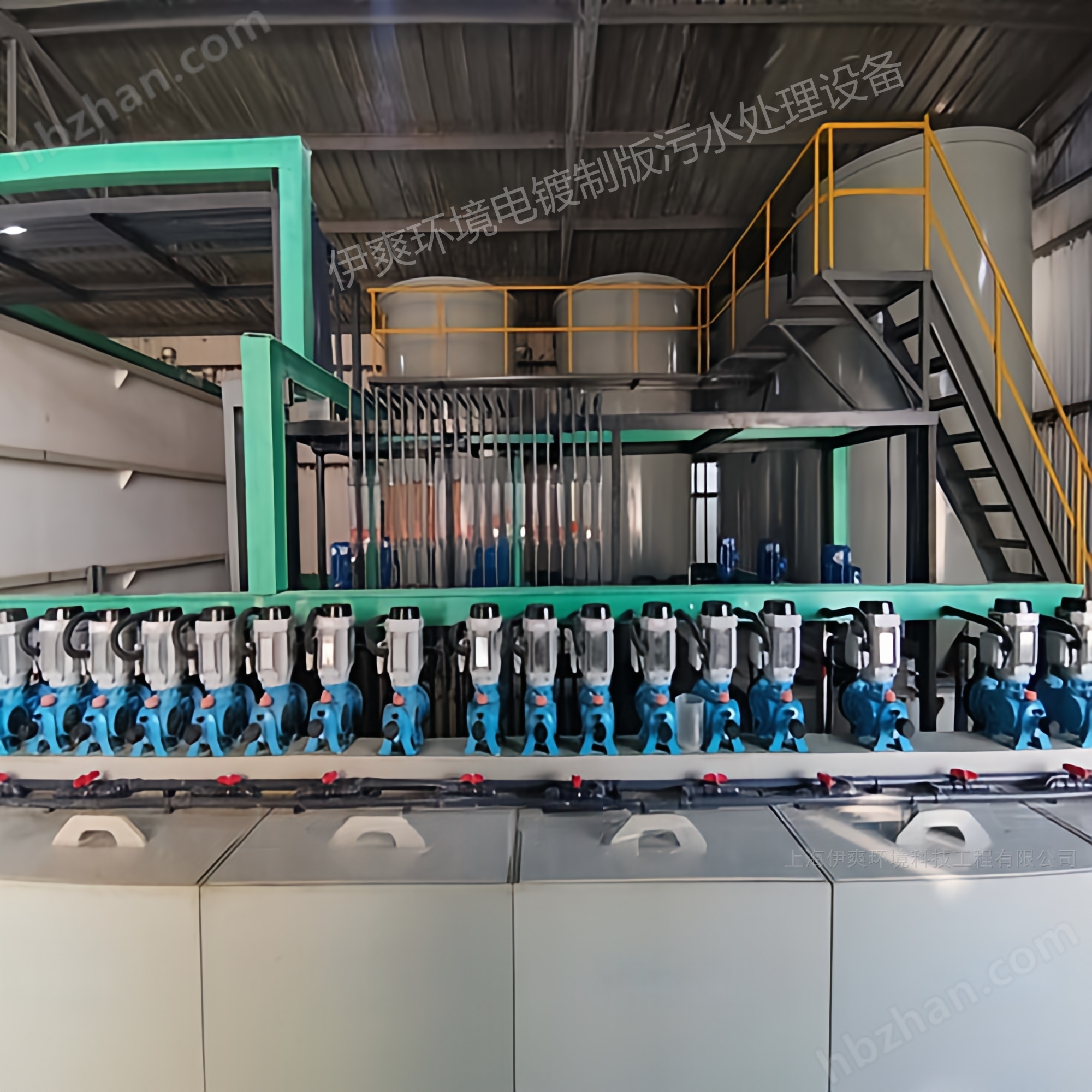
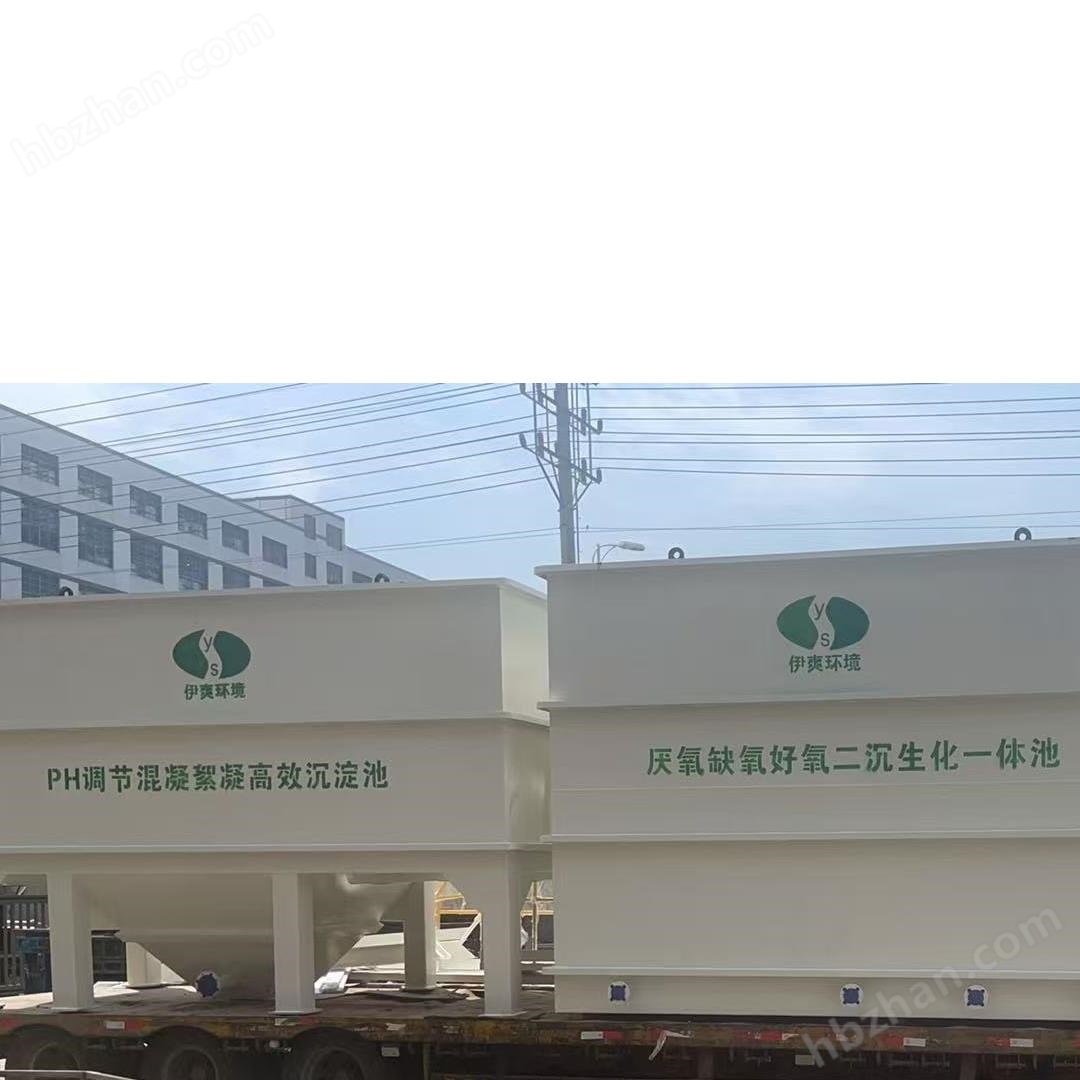
This device usually consists of a preprocessing unit, a reaction unit, a solid-liquid separation unit, and a deep processing unit. The pretreatment stage mainly removes suspended solids and impurities from wastewater through facilities such as grids and regulating tanks, while adjusting water quality and quantity to create stable conditions for subsequent treatment. The reaction unit is the core link, and chemical precipitation method is often used. Alkaline agents such as sodium hydroxide are added to the wastewater to form copper hydroxide precipitation of copper ions. To improve the sedimentation effect, coagulants can also be added to promote the aggregation of small particles into large alum flowers.
Solid liquid separation units often use sedimentation tanks or filter presses to separate the precipitate generated by the reaction from water. The separated sludge can be further dehydrated to reduce the difficulty of subsequent disposal. The deep processing unit adopts technologies such as ion exchange and membrane filtration to deeply remove trace copper ions and other pollutants remaining in the water, ensuring that the effluent quality meets national discharge standards or reuse requirements.
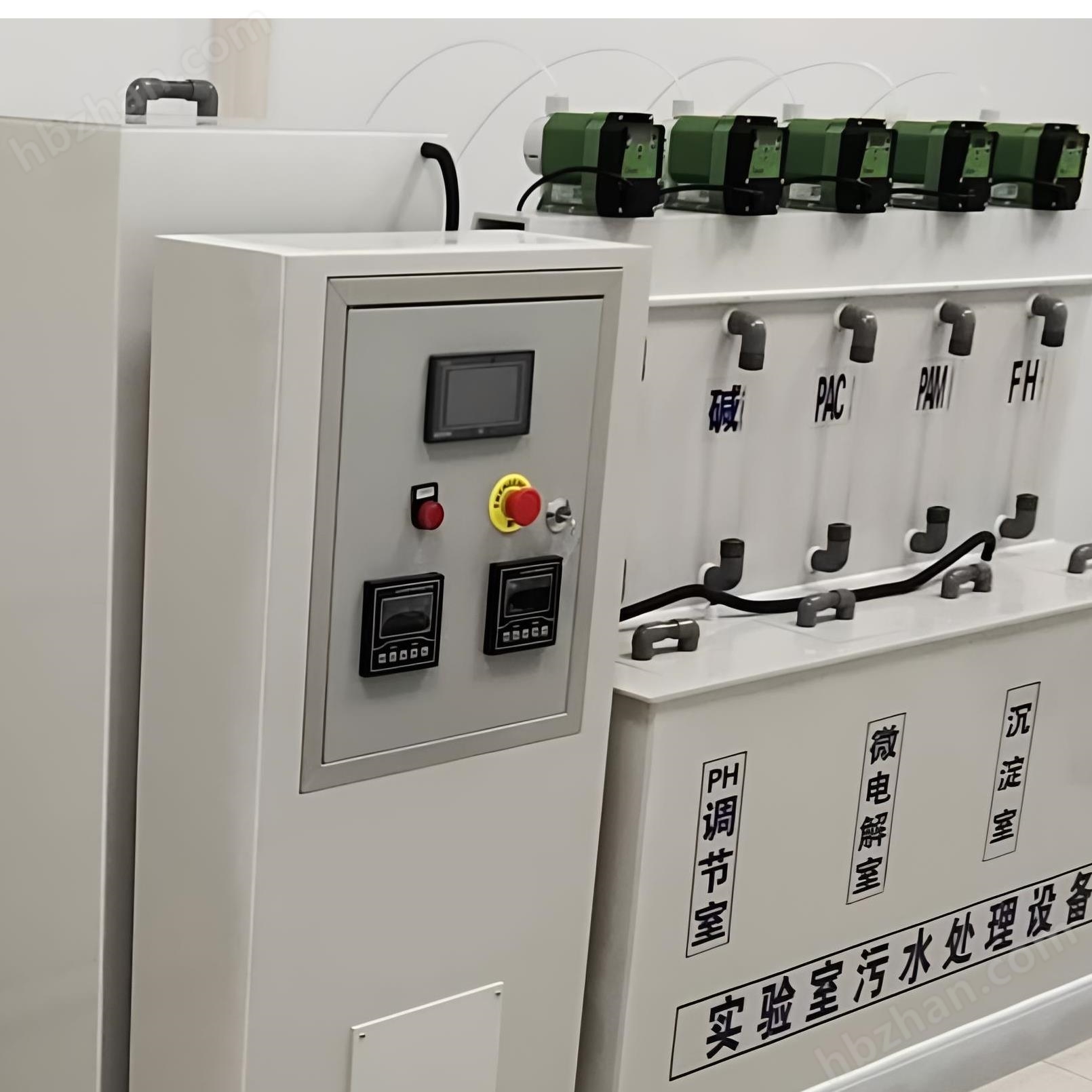
In recent years, with the increasingly strict environmental requirements, the sulfuric acid copper plating wastewater treatment equipment has been continuously upgraded and improved. Some devices are integrated with intelligent control systems, which can monitor various parameters in real-time during the processing and automatically adjust the dosage of chemicals, improving processing efficiency and stability. At the same time, resource recycling technology is gradually being applied to equipment, achieving the recycling and reuse of copper resources through the treatment of sludge, which not only reduces pollutant emissions but also creates certain economic benefits.
In practical applications,Copper sulfate wastewater treatment equipmentThe selection should be comprehensively considered based on factors such as wastewater volume, water quality, and treatment requirements. For small businesses, integrated processing equipment can be chosen, which occupies a small area and is easy to operate; Large enterprises can customize modular equipment according to their needs to achieve higher processing capabilities and more flexible operating modes.
The application of sulfuric acid copper plating wastewater treatment equipment effectively reduces the harm of copper plating wastewater to the environment and provides strong support for enterprises to achieve clean production. With the continuous advancement of technology, future devices will develop towards higher efficiency, lower energy consumption, and greater intelligence, making greater contributions to environmental protection.
Similar Product Recommend