-
E-mail
2179629483@qq.com
-
Phone
15618637748
-
Address
No. 2 Base, 466 Xintang Road, Zhelin Town, Fengxian District, Shanghai
Product Categories
- Steam pressure reducing valve
- Self operated micro pressure regulating valve
- FT43H lever floating ball drain valve
- T-shaped L-shaped reversing three-way ball valve
- Electric sewage gate valve
- V-shaped regulating valve
- Pneumatic explosion-proof ball valve
- Internal thread three-way directional ball valve
- Pneumatic three-way ball valve
- DF41X backflow preventer
- Explosion proof electric ball valve
- Oxygen ball valve
Shuoxiang Valve (Shanghai) Co., Ltd


Explosion proof electric ball valve Shuoxiang valve production and sales
NegotiableUpdate on 03/01
- Model
- Nature of the Manufacturer
- Producers
- Product Category
- Place of Origin
Overview
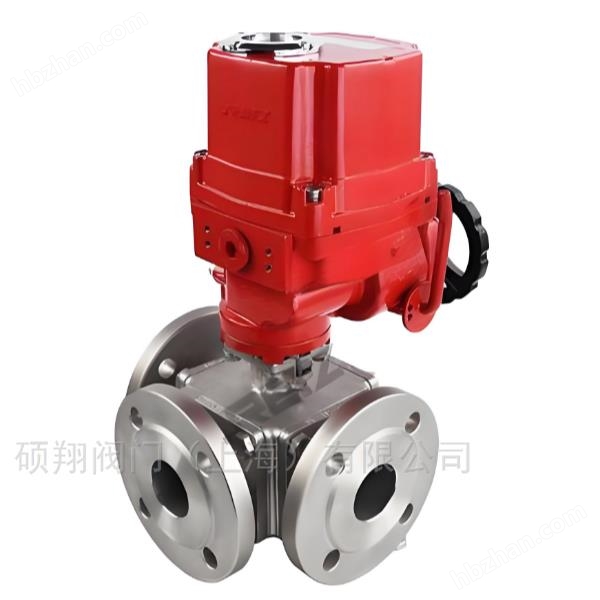
Shuoxiang explosion-proof electric ball valve is a modern industrial process control valve composed of an explosion-proof electric actuator and a ball valve body. Its core feature is that the actuator is designed to operate safely in flammable and explosive hazardous environments, without igniting surrounding explosive mixtures due to electric sparks or high-temperature surfaces. By receiving signals from the control system (switch quantity, analog quantity) to drive the sphere to rotate 90 degrees, the function of quickly cutting off, connecting or adjusting the medium flow rate of the pipeline can be achieved. Widely used in industries such as petroleum, chemical, and gas that require safety.
Product Details
1、 Main functions of Shuoxiang fireproof, anti-static and explosion-proof electric ball valve
1.switch controlReceive pulse signals of "on" or "off" to achieve full open or full close operation of the valve, used for cutting off or circulating the medium.
flow regulationReceive analog signals (such as 4-20mA) to achieve continuous and precise control of ball valve opening, thereby adjusting the medium flow rate in the pipeline proportionally.
Remote/centralized controlAs a key execution unit in automation control systems, it can be connected to control systems such as DCS, PLC, and computers to achieve remote centralized control and automation management.
safety interlockIn emergency situations, interlocking signals can be accepted to quickly cut off or open pipelines, ensuring the safety of personnel and equipment.
2、 Product features of Shuoxiang fireproof, anti-static and explosion-proof electric ball valve
1. Core advantage: Explosion proof safety
•Explosion proof actuatorThe motor, wiring chamber and other components are designed with special structures, such as explosion-proof type (Ex d), which can withstand internal explosions without damage and prevent the spread of explosion flames to the outside.
-
high protection levelIt usually has a protection level of IP67 or higher, which can effectively prevent dust from entering and short-term immersion, and adapt to harsh working conditions.
high reliabilityAdopting high-quality motor and gear transmission structure, with high torque and long service life.
2. Excellent valve performance
Low fluid resistanceThe diameter of the flow channel of the full bore ball valve is basically the same as the inner diameter of the pipeline, and the flow resistance coefficient is extremely small.
Good sealing performanceUsing valve seat materials such as polytetrafluoroethylene (PTFE), reinforced polytetrafluoroethylene (RPTFE), para polystyrene (PPL), or metal hard seals, the sealing is reliable and zero leakage can be achieved.
Easy to operateElectric drive, quick opening and closing (usually only requires 90 ° rotation), easy to achieve automation.
3. Intelligence and Convenience
integrated structureThe actuator integrates a servo amplifier, eliminating the need for a separate servo controller and making wiring simple.
Manual operation functionDuring power outage or debugging, manual operation can be performed through the handwheel without affecting system maintenance.
state feedbackProvide valve position switch signal feedback, and some models can provide continuous valve position opening signals.
overload protectionBuilt in torque protection mechanism, which automatically stops when the valve gets stuck or the torque is too high, protecting the valve and actuator.
3、 Shuoxiang fireproof, anti-static, explosion-proof electric ball valve is suitable for working conditions (applicable to industrial and mining)
Applicable Industries:
petroleum industryOil and gas pipelines, refineries, and oil field extraction.
chemical industryChemical plants, pesticide factories, fertilizer factories, and other places where flammable and explosive gases or dust exist.
Gas industryStorage, transportation, and distribution systems for natural gas, coal gas, and liquefied petroleum gas.
Pharmaceutical industryIn the raw material workshop with high explosion-proof requirements.
miningUnderground mines such as coal mines and metal mines where there is a risk of gas or dust explosion.
Paint, coatings, textilesIndustrial environments containing volatile and flammable substances.
Applicable Medium:
•Gas: natural gas, coal gas, biogas, steam, air, etc.
Liquids: water, oil, alcohol, acid-base solutions, chemical fluids, etc.
-
(Note: The specific applicable medium needs to be determined based on the materials of the valve body, sphere, and seal.)
operating conditions:
•Environmental temperature: -20 ℃ to+60 ℃ (special design can adapt to a wider range).
Medium temperature: Depending on the sealing material, it usually ranges from -40 ℃ to+200 ℃ or above.
Nominal pressure: Common types include PN1.0, 1.6, 2.5, 4.0, 6.4 MPa, etc.
4、 Shuoxiang Fire Protection
Instructions for using anti-static and explosion-proof electric ball valves
-
1.
Pre-installation check
•Check whether the valve model, specifications, pressure rating, and explosion-proof rating meet the design requirements.
Check the valve channel and flange surface to ensure there are no debris or damage.
Manually operate the actuator handwheel and check if the valve opens and closes smoothly.
-
2.
Installation key points
•Valves should be installed in a location of the pipeline that is easy to operate and maintain.
Pay attention to the flow direction of the medium and ensure that it is consistent with the direction indicated by the arrow on the valve body.
The pipeline flange should be parallel to the center, and the bolts should be evenly tightened diagonally to prevent leakage or blockage caused by uneven force on the valve body.
Ensure that the actuator is facing upwards and avoid installing downwards to prevent the accumulation of moisture and dust.
-
3.
electrical wiring
•Must be operated by a professional electrician!
Confirm that the power supply voltage is consistent with the requirements on the actuator nameplate.
Strictly follow the explosion-proof wiring specificationsThe cable needs to be introduced into the explosion-proof wiring chamber through an explosion-proof flexible tube, and the gland head should be tightened to ensure explosion-proof performance.
Reliable connection of power and control lines, and proper grounding.
-
4.
debug run
•Before powering on, manually open the valve to about 50% opening.
Power on, perform jog operation, and observe whether the valve switch direction is correct. If the direction is opposite, switch the power phase sequence.
Conduct a fully open and fully closed test to observe whether the valve operates smoothly and whether the in place signal is normal.

5、 Maintenance and upkeep of Shuoxiang fireproof, anti-static, explosion-proof electric ball valve
-
1.routine maintenance
Keep the exterior of the valve and actuator clean, especially the explosion-proof joint surface.
Check for leaks at the flange connection.
Listen to the running sound for any abnormal noise.
-
2.regular maintenance
Cleaning and lubricationAdd specified lubricating grease to the transmission mechanism (if needed).
Sealing inspectionConduct sealing performance testing, and if leakage is found in the valve stem or seat, adjust or replace the sealing components in a timely manner.
Electrical inspectionCheck if the wiring terminals are loose and if the cable entry seal is good.
Manual/Automatic Switching TestEnsure flexible and reliable switching between manual and electric functions.
Monthly/QuarterlyCheck whether the fasteners of the actuator are loose.
Every six months/annually:
3.Important precautions
It is strictly prohibited to disassemble while powered on!
During maintenance, it is necessary to cut off the power and isolate the medium pipeline to ensure that the system is in a safe state.
After disassembling the explosion-proof components, it is necessary to ensure that the explosion-proof joint surface is clean, intact, and meets the specified smoothness and clearance requirements when reinstalling, in order to restore its explosion-proof performance.
If there is internal leakage in the valve, it is usually due to wear of the sealing valve seat and needs to be replaced in a timely manner.
Non professionals are not allowed to disassemble the internal electrical components of the actuator.
Similar Product Recommend