-
E-mail
2179629483@qq.com
-
Phone
15618637748
-
Address
No. 2 Base, 466 Xintang Road, Zhelin Town, Fengxian District, Shanghai
Product Categories
- Steam pressure reducing valve
- Self operated micro pressure regulating valve
- FT43H lever floating ball drain valve
- T-shaped L-shaped reversing three-way ball valve
- Electric sewage gate valve
- V-shaped regulating valve
- Pneumatic explosion-proof ball valve
- Internal thread three-way directional ball valve
- Pneumatic three-way ball valve
- DF41X backflow preventer
- Explosion proof electric ball valve
- Oxygen ball valve
Shuoxiang Valve (Shanghai) Co., Ltd


Production and sales of steam specific pressure reducing valve Shuoxiang valve
NegotiableUpdate on 03/01
- Model
- Nature of the Manufacturer
- Producers
- Product Category
- Place of Origin
Overview
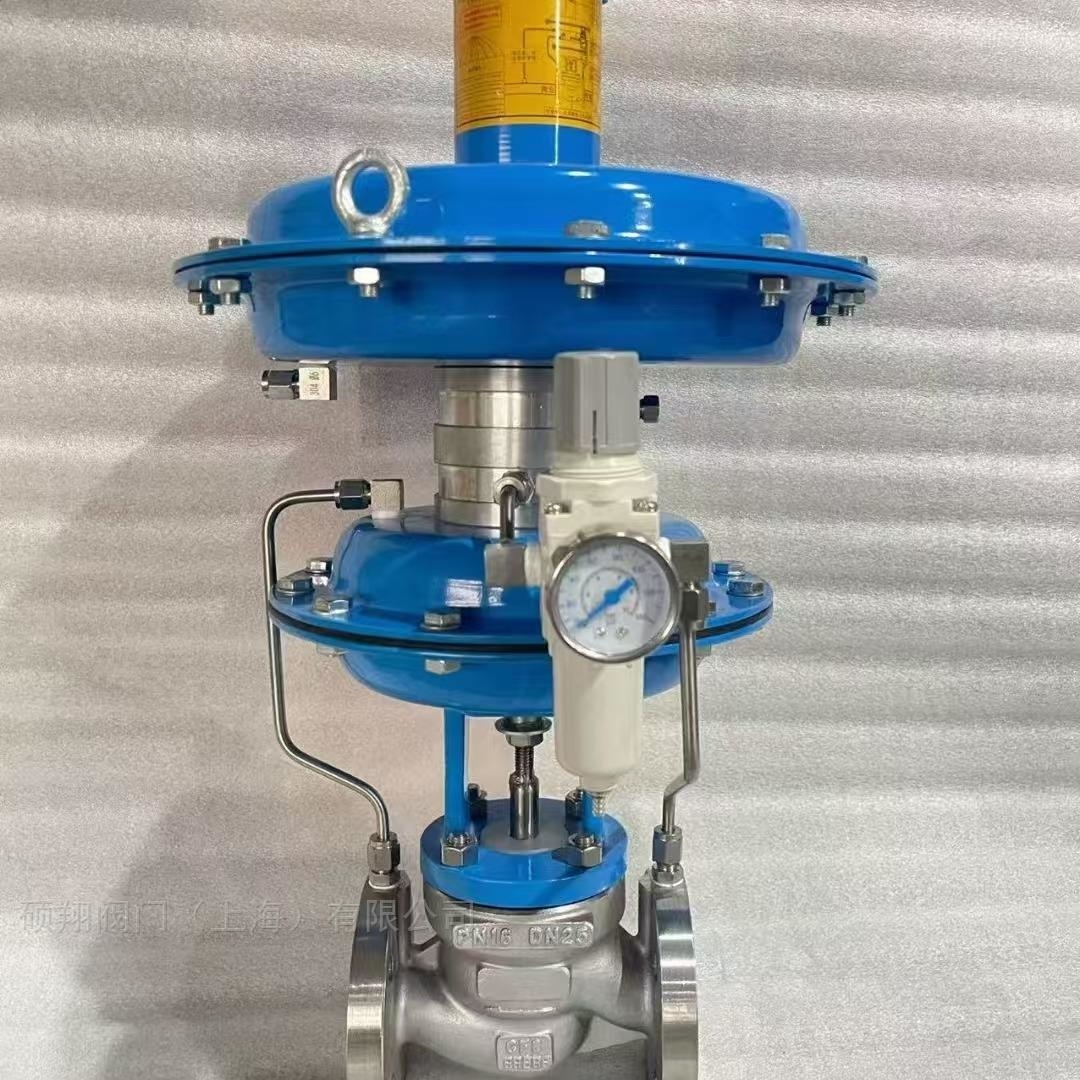
Shuoxiang steam pressure reducing valve is an automatic regulating valve used in steam pipeline systems. Its main function is to reduce and stabilize the high and unstable steam pressure at the inlet end at the set pressure value required by the user, ensuring that downstream equipment or pipelines work at a safe, stable, and efficient pressure. This series of products is widely used in power plants, petrochemicals, textile printing and dyeing, food and medicine, HVAC, and various industrial fields that require steam as a heat source.
Product Details
1、 Product Introduction of Shuoxiang Steam Pressure Reducing Valve
Shuoxiang steam pressure reducing valve is an automatic regulating valve used in steam pipeline systems. Its main function is to reduce and stabilize the high and unstable steam pressure at the inlet end at the set pressure value required by the user, ensuring that downstream equipment or pipelines work at a safe, stable, and efficient pressure. This series of products is widely used in power plants, petrochemicals, textile printing and dyeing, food and medicine, HVAC, and various industrial fields that require steam as a heat source.
2、 Core functions and product features of Shuoxiang steam pressure reducing valve
-
Accurate voltage stabilization:
-
Adopting a pilot valve (or self acting) structure, it is sensitive to downstream pressure changes and achieves continuous stability and small fluctuation range of outlet pressure by automatically adjusting the valve disc opening.
-
Can be equipped with high-precision pressure gauges or adjustment knobs for easy setting and monitoring of pressure values.
-
High reliability and durability:
-
Key component materialsThe valve body and valve cover are usually made of high-quality cast steel (WCB), stainless steel (CF8/CF8M), etc. The valve core and seat can be made of wear-resistant and erosion resistant materials such as stainless steel overlay and Stellite alloy according to the pressure level and medium characteristics, ensuring their service life under high temperature and high pressure steam.
-
Tightly sealedAdopting metal hard seal or high-performance soft seal structure, with high internal leakage level, effectively reducing energy loss.
-
Security protection mechanism:
-
Built in security featuresMost products are designed with safety relief functions (such as built-in safety valves or relief valves), which can automatically release pressure when downstream pressure rises abnormally beyond the set safety value, protecting downstream equipment safety.
-
CloseWhen there is no steam or the inlet pressure is too low, the valve can be reliably closed to prevent medium backflow or pressure loss.
-
Wide applicability and flexibility:
-
Covering a variety of specifications from low to high voltage (such as PN16 to PN160 or higher), small to large diameter (DN15 to DN300 or larger).
-
We can provide different connection methods such as flanges and threads.
-
According to the working conditions, different types of actuators (such as diaphragm and piston) and pilot control systems can be selected to adapt to different flow rates, pressure differentials, and adjustment accuracy requirements.
-
Easy to maintain:
-
Modular design allows for easy inspection and replacement of key internal components such as diaphragms, valve seats, springs, etc., without the need to remove the entire valve from the pipeline, reducing maintenance costs and downtime.

3、 Instructions for use and key points for installation and maintenance
(Important note: The following is a general guide, and specific operations must strictly comply with the accompanying technical documents and safety regulations.)
1. Preparation before installation:
-
Verify parametersConfirm that the nominal pressure, diameter, material, and applicable temperature on the valve nameplate match your pipeline design parameters.
-
Check and cleanCheck for foreign objects inside the valve, blow the pipeline to ensure there are no welding slag, iron filings, or other impurities.
-
Installation directionConfirm that the medium flow arrow on the valve body must be consistent with the steam flow direction in the pipeline. Valves generally shouldhorizontal installationThe actuator should face upwards and leave sufficient space for operation and maintenance.
2. Installation and commissioning:
-
Bypass settingIt is recommended to install a bypass pipeline so that the system can temporarily operate during the maintenance of the pressure reducing valve.
-
Front and rear valvesBefore and after the pressure reducing valve, a shut-off valve should be installed, and a filter (recommended to be above 100 mesh) should be installed in front to prevent impurities from clogging the valve core.
-
pressure gaugePressure gauges with qualified accuracy should be installed before and after the inlet and outlet of the pressure reducing valve for easy observation and setting.
-
Debugging steps:
a.first start-upSlowly open the inlet shut-off valve to allow steam to fill the valve, and use bypass or manual slow opening of the main valve to preheat and slowly increase the pressure of the downstream pipeline.
b.pressure settingIn the state of no flow or minimum flow, loosen the locking nut, slowly rotate the adjusting screw (clockwise usually to increase the outlet pressure, counterclockwise to decrease), observe the outlet pressure gauge to the desired value, and then lock it.
c.load testingGradually open downstream equipment to operate the valve at normal working flow rate, and recheck if the outlet pressure is stable. If there is any deviation, it needs to be fine tuned under load.
3. Operation and maintenance:
-
regular inspectionRegularly observe whether the pressure values before and after are stable, and check for any abnormal noise or leaks.
-
regular maintenanceRegularly (usually every 6-12 months or according to operating conditions) inspect and clean the filter screen based on frequency of use and cleanliness of the medium; Check the wear of vulnerable parts such as membranes, seals, and springs, and replace them with original spare parts in a timely manner.
-
Shutdown maintenanceWhen not in use for a long time, the condensed water inside the valve should be drained and kept dry.
4、 General technical parameter reference (specific model parameters may vary)
-
Nominal Pressure: PN16, PN25, PN40, PN63, PN100, PN160 等
-
Caliber range: DN15 ~ DN300
-
Applicable Temperature≤ 425 ℃ (varies depending on the material)
-
Import pressure rangeFor example, 0.2~2.5MPa (depending on the model)
-
Export pressure rangeFor example, 0.05~1.6MPa (adjustable, depending on the model)
-
Pressure regulation accuracyTypically, it can reach ± 5% to ± 10% (depending on the model and operating conditions)
5、 Selection consultation and service
To ensure that you select the product for the working condition,We strongly recommend that you provide detailed operating parameters to our technical support personnel before selecting or purchasing, including:
-
inlet pressure
-
Required export pressure range
-
normal traffic
-
steam temperature
-
Connection standards and pipeline materials
-
Any special requirements (such as low noise, fast response, remote control, etc.)
Shuoxiang Valve is committed to providing reliable products and professional technical support. If you need further information on specific product models and obtain instructions, please feel free to contact Shuoxiang Valve (Shanghai) Co., Ltd. at any time.


Similar Product Recommend