-
E-mail
1743251064@qq.com
-
Phone
13403270026
-
Address
Botou Development Zone, Hebei Province
Product Categories
- Pulse dust collector
- Star shaped unloader
- Dust bag
- Spiral conveyor
- Cyclone dust collector
- Dust humidifier
- Dust removal framework
- Low temperature plasma exhaust gas treatment equipment
- precipitator
- Dust removal accessories
- Single dust collector
- Boiler dust collector
- bag-type dust collector
- Plasma oxygen integrated machine
- Catalytic combustion equipment
- Industry dust collector
- Welding smoke purification equipment
- other
- UV photo oxygen exhaust gas treatment equipment
Botou Longnuo Environmental Protection Equipment Co., Ltd

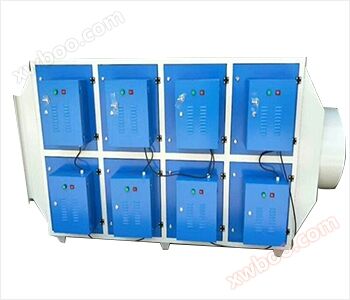
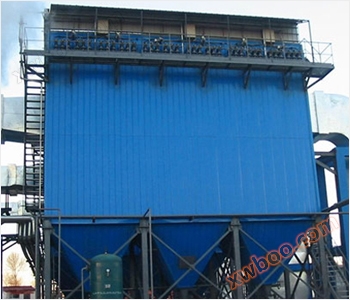
GXCD type electrostatic precipitator
NegotiableUpdate on 06/04
- Model
- Nature of the Manufacturer
- Producers
- Product Category
- Place of Origin
Overview
Introduction to GXCD electrostatic precipitator: GXCD electrostatic precipitator adopts currently ideal dust removal filter material, with good ventilation energy, high dust removal efficiency, and certain acid, alkali and heat resistance
Product Details

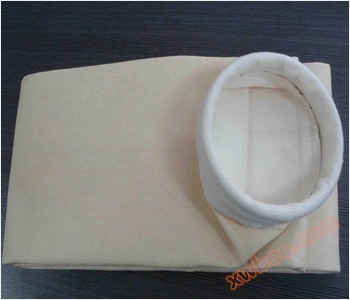
The GXCD electrostatic precipitator adopts the currently ideal dust removal filter material, which has good ventilation energy, high dust removal efficiency, and certain acid, alkali, and heat resistance. During the weaving process, it uses multi sided fleece to increase the thickness of the fabric and make it elastic, resulting in good dust removal effect and a dust removal rate of up to 99.99%.
The GXCD electrostatic precipitator uses a high-voltage electric field to ionize the flue gas, and the charged dust in the airflow is separated from the airflow under the action of the electric field. The negative electrode is made of metal wires with different cross-sectional shapes and is called a discharge electrode. The positive electrode is made of metal plates with different geometric shapes, called a dust collecting electrode. Its performance is affected by three factors: dust properties, equipment structure, and flue gas flow rate. The specific resistance of dust is an indicator for evaluating conductivity, which has a direct impact on dust removal efficiency. The specific resistance is too low, making it difficult for dust particles to remain on the dust collection electrode, resulting in their return to the airflow. If the specific resistance is too high, the dust particles that reach the dust collection electrode are not easily discharged, and a voltage gradient is formed between the dust layers, which can cause local breakdown and discharge phenomena.
GXCD electrostatic precipitator is suitable for:
1. Industrial and heating coal-fired boilers, heavy oil fired boilers.
2. Building materials: dry and wet cement rotary kilns, mechanized shaft kilns, raw and clinker mills, raw material dryers, and cement packaging machines.
3. Nonferrous smelting: sintering of copper, lead, zinc, copper melting furnace, electric arc furnace, reflector furnace, etc.
4. Metallurgy: Iron ore sintering machines (head and tail), blast furnaces, open hearth furnaces, coke ovens, converters, electric arc furnaces, and refractory materials industries.
Characteristics of Coatings Used in GXCD Electrostatic Dust Collector
The electrostatic precipitator uses a high-voltage electric field to ionize the flue gas, and the charged dust in the airflow is separated from the airflow under the action of the electric field. The negative electrode is made of metal wires with different cross-sectional shapes and is called a discharge electrode. The positive electrode is made of metal plates with different geometric shapes, called a dust collecting electrode. Its performance is affected by three factors: dust properties, equipment structure, and flue gas flow rate. The specific resistance of dust is an indicator for evaluating conductivity, which has a direct impact on dust removal efficiency. The specific resistance is too low, making it difficult for dust particles to remain on the dust collection electrode, resulting in their return to the airflow. If the specific resistance is too high, the dust particles that reach the dust collection electrode are not easily discharged, and a voltage gradient is formed between the dust layers, which can cause local breakdown and discharge phenomena.