-
E-mail
junsish@163.com
-
Phone
18016281599
-
Address
No. 818, Linhai Industrial Park, Fengxian, Shanghai
Product Categories
Shanghai Junsi Experimental Instrument Co., Ltd

How to choose the function of oxygen free curing oven and dust-free oxygen free oven
NegotiableUpdate on 05/16
- Model
- Nature of the Manufacturer
- Producers
- Product Category
- Place of Origin
Overview
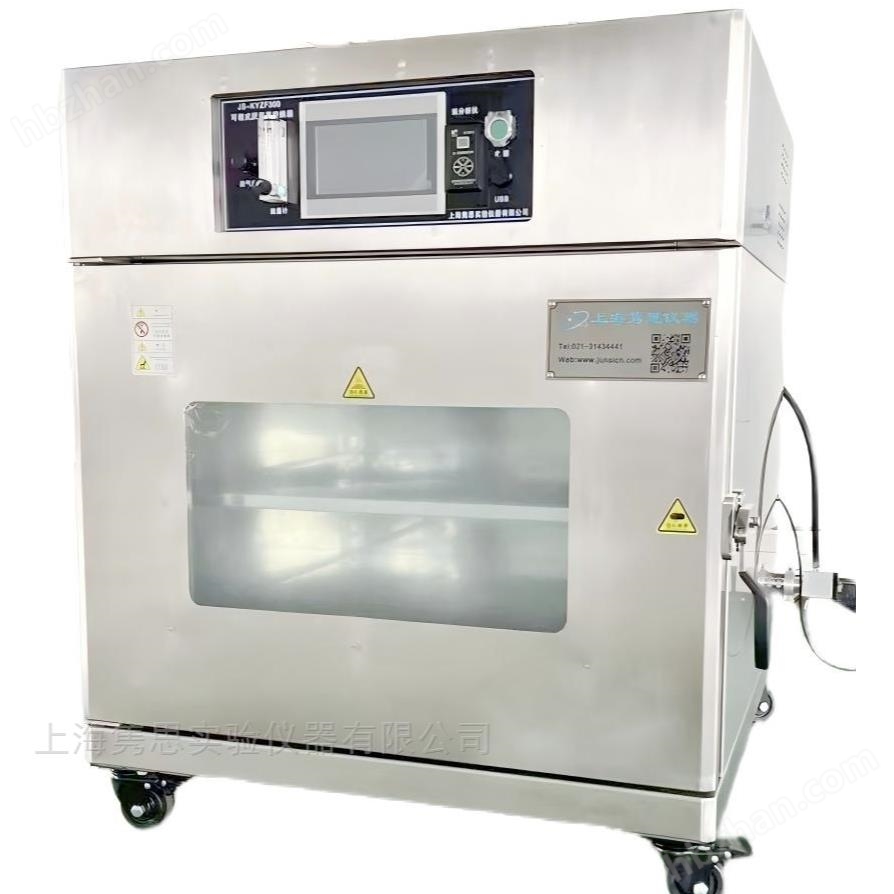
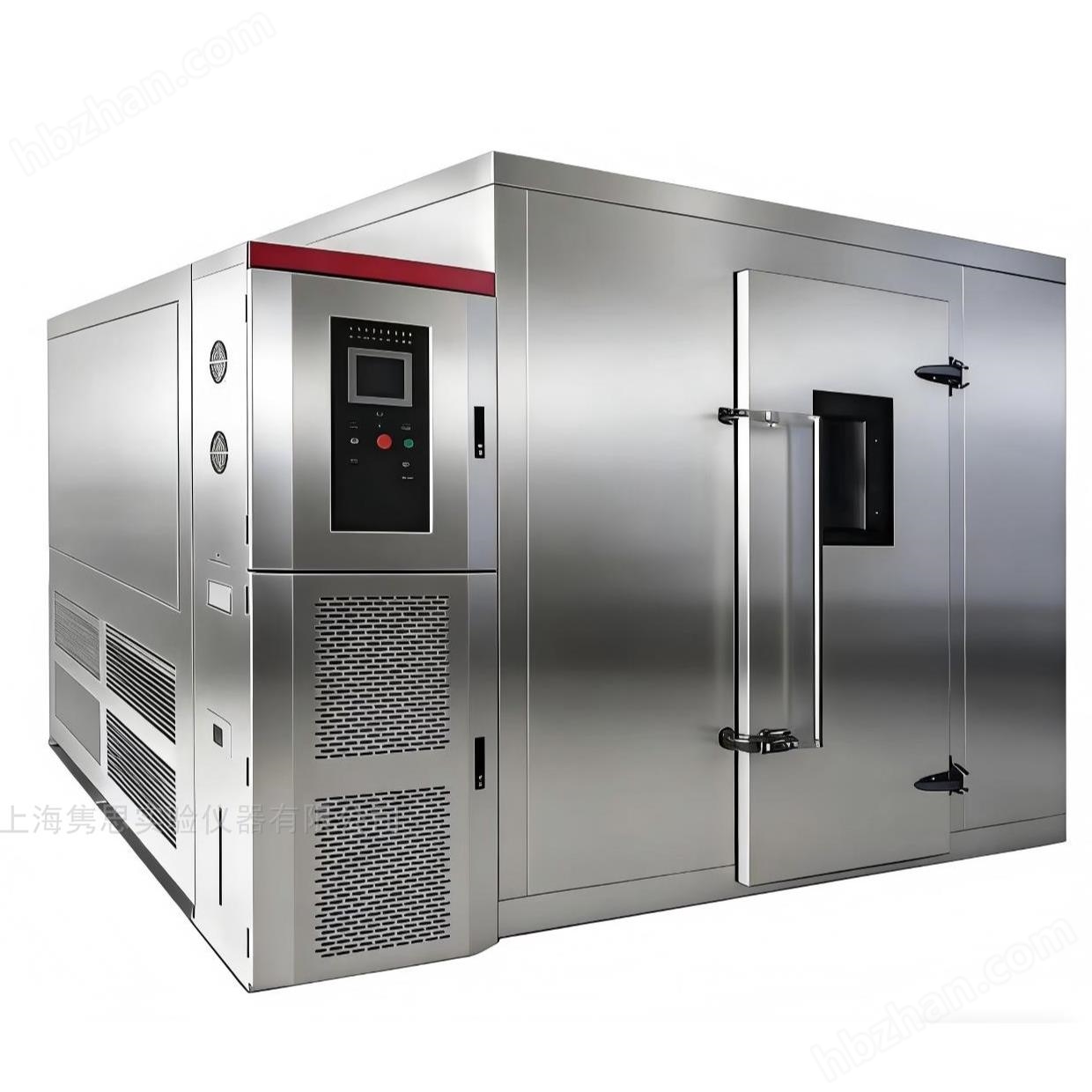
How to choose the function of oxygen free curing oven for dust-free curing? Oxygen free curing oven is applied to precision electronic components, PI, BCB adhesive high-temperature curing baking, silver adhesive curing, photoresist curing, and special process requirements for dust-free drying of electronic ceramic materials
Product Details
Dust free and oxygen free are two independent but potentially combined G-end requirements, commonly used in fields such as precision electronics, semiconductors, medical new materials, new energy, scientific research, and material processing.
The selection process requires systematic consideration of multiple key factors. The following guide will help you step by step clarify your needs and make the right choices.
How to choose the function of oxygen free curing oven and dust-free oxygen free ovenCore requirement definition
1. Anaerobic level requirements:
·What is the oxygen content control target? For example:<1000ppm,<100ppm,<10ppm, even<1ppm. The lower the target, the higher the equipment and operating costs.
·What is an application?
·Preventing oxidation: such as sintering, annealing, brazing. Usually<100ppm is required, and critical materials may require<50ppm.
·Inert atmosphere treatment: such as curing, drying, to prevent reaction with oxygen. Perhaps<1000ppm is sufficient.
·Materials that are extremely sensitive to oxygen, such as lithium battery materials, certain chemical powders, and nanomaterials. Usually requires<20ppm or even higher.
Oxygen analyzer: Is an online oxygen analyzer standard or optional for real-time monitoring and closed-loop control?
2. Requirements for dust-free level:
·Cleanliness level: Refer to ISO 14644-1 standard. Common ones include ISO Class 100 (Class 100), ISO Class 1000 (Class 1000), and ISO Class 1000 (Class 10000). What level of craftsmanship do you require?
·Key control points:
·Source of particulate matter: heating element (smooth surface armored heating tube should be used to avoid filamentous resistance wire), inner wall of the cavity (smooth and seamless, rounded transition), sealing material (not falling off).
·Maintenance method: Is it necessary to maintain positive pressure inside the chamber (by introducing high-purity inert gas) to prevent external dust from entering, or is it necessary to use high-efficiency/ultra high efficiency filters (HEPA/ULPA) to circulate and filter the air inside the chamber?
3. Process temperature range:
·Maximum operating temperature: Common ranges include 200 ° C, 300 ° C, 400 ° C, 500 ° C, and even higher 800 ° C, 1200 ° C, and even 1600 ° C. The higher the temperature, the higher the cost of heating elements, insulation materials, and control systems.
·Common operating temperature: Ensure that the equipment can work stably and uniformly at common temperature points.
4. Size of workspace:
·Internal cavity size: determined based on the size of your largest workpiece and taking into account the required space for tooling fixtures (racks, carriers).
The principle is: under the premise of meeting the process requirements, the smaller the cavity, the better, because this can significantly reduce ventilation time and gas consumption, and improve temperature uniformity.
5. Load situation:
·Material: The material of the workpiece and rack (metal, ceramic, quartz) and its gas release characteristics at high temperatures.
·Weight and quantity: The total load weight and whether it is densely arranged will affect heat conduction and airflow circulation.
·Volatile substances: Are there any solvents, binders, etc. that evaporate during the manufacturing process? This will affect the cleanliness and stability of oxygen content inside the cavity, and may require a specialized waste disposal system.
6. Safety and auxiliary functions:
·Safety interlock: an interlock protection that prevents the door from opening at high temperatures.
·Pressure safety: Overpressure relief valve to prevent excessive pressure inside the chamber.
·Gas pressure/flow monitoring: Monitor intake pressure.
·Data recording: Key parameters such as temperature, oxygen content, and time are recorded throughout the process to meet quality traceability requirements.
Dust free and oxygen free ovenApplicable Industries
Applied to special process requirements for precision electronic components, PI, BCB adhesive high-temperature curing baking, silver adhesive curing, photoresist curing, and dust-free drying of electronic ceramic materials. Suitable for industries such as touch screens, wafers, LEDs, PCB boards, ITO glass, precision electronics, solar energy, new materials, etc
Similar Product Recommend