-
E-mail
junsish@163.com
-
Phone
18016281599
-
Address
No. 818, Linhai Industrial Park, Fengxian, Shanghai
Product Categories
Shanghai Junsi Experimental Instrument Co., Ltd

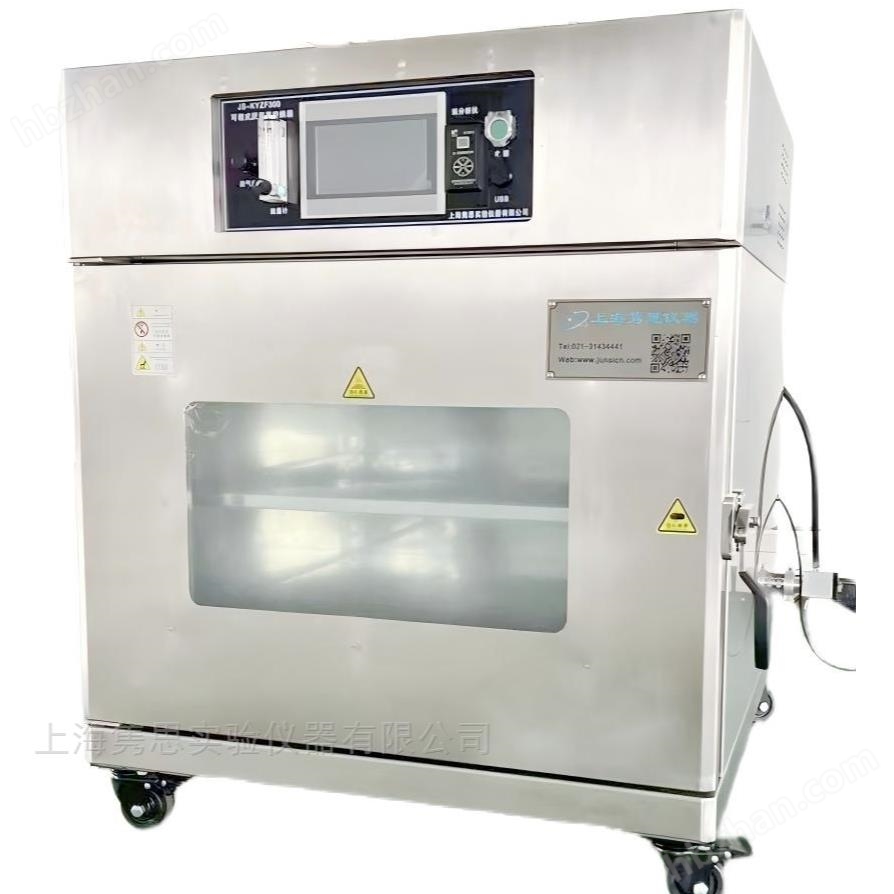


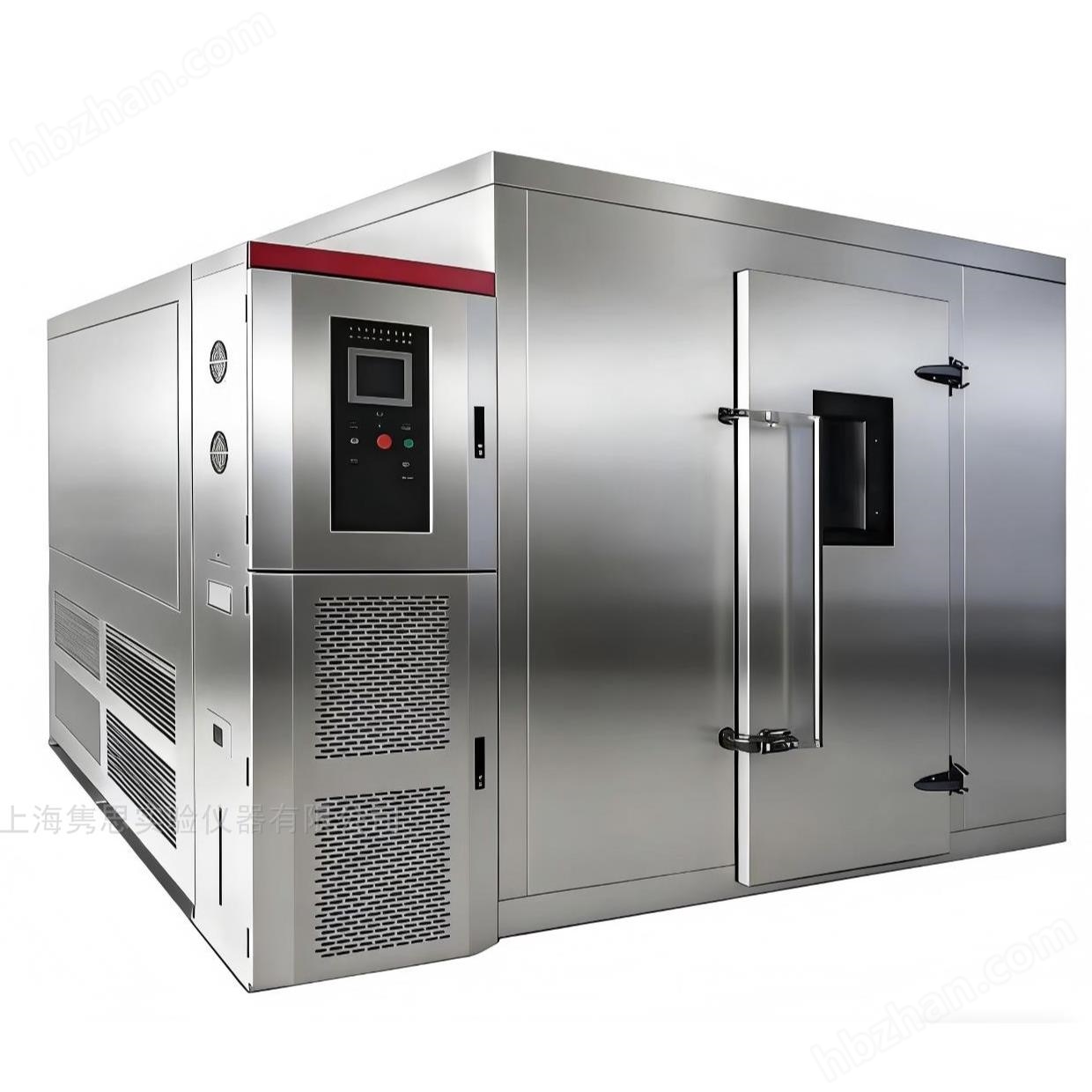
LCP fiber (aramid filament) high-temperature non oxidizing oven
NegotiableUpdate on 05/16
- Model
- Nature of the Manufacturer
- Producers
- Product Category
- Place of Origin
Overview
LCP fiber (aramid filament) high-temperature oxidation free oven is a process of thermal stabilization treatment at 200-400 ℃ in a sealed environment isolated from oxygen. The core purpose is to improve the fiber's high temperature resistance, chemical corrosion resistance, and mechanical stability
Product Details
Liquid crystal polyarylester fiber (LCP fiber) LCP filament is a high-performance special fiber with thermally induced liquid crystal properties, composed of rigid fully aromatic chain structures, prepared by melt polymerization spinning method. Its strength can reach 6-7 times that of steel wire, its elastic modulus is equivalent to carbon fiber, and it also has excellent properties such as high temperature resistance (long-term temperature resistance above 300 ℃), low temperature resistance (maintaining performance at -50 ℃), chemical corrosion resistance, low moisture absorption (water absorption rate<0.1%), creep resistance, and high wear resistance.
In terms of application fields, it widely serves aerospace (such as NASA Mars lander landing airbags, spacecraft structural components), electronics and electrical (high-frequency circuit boards, 5G antenna covers), ropes and cables (marine engineering ropes, special industrial ropes), protective equipment (protective clothing, firefighting suits), automotive industry (lightweight components) and other fields.
Liquid crystal polymerLCP fiber (aramid filament) high-temperature non oxidizing ovenprocessing technology
Core definition: LCP (liquid crystal polymer) fiber high-temperature anaerobic treatment is a process of thermal stabilization treatment at 200-400 ℃ in a closed environment isolated from oxygen. The core purpose is to improve the fiber's high temperature resistance, chemical corrosion resistance, and mechanical stability.
Liquid crystal polymerLCP fiber (aramid filament) high-temperature non oxidizing ovenKey process points for handling
1. Pre treatment: Remove oil/moisture from the fiber surface (vacuum drying or inert gas blowing) to avoid oxidation impurities at high temperatures.
2. High temperature non oxidizing ovenControl: Inert gases such as nitrogen and argon are used for replacement, and the oxygen content should be controlled below 100ppm to prevent fiber oxidation and degradation.
3. Heating and insulation: Step by step heating (5-10 ℃/min) to the target temperature, and insulation for 1-4 hours to promote optimization of molecular chain orientation.
4. Cooling and post-treatment: Slowly cool to room temperature under inert gas protection to avoid thermal stress cracking, and can be combined with surface modification to enhance subsequent processing adaptability.
Core advantages of high-temperature oxidation free oven treatment for liquid crystal polymer LCP fiber
-Retaining the original high strength and low shrinkage characteristics of LCP fibers, the high temperature resistance level is increased by 30% -50% (some can withstand short-term high temperatures of 450 ℃).
-Improving the surface inertness of fibers and enhancing the interfacial bonding with resins, suitable for Gao end composite materials (such as aerospace and electronic packaging fields).
Similar Product Recommend