-
E-mail
2179629483@qq.com
-
Phone
15618637748
-
Address
No. 2 Base, 466 Xintang Road, Zhelin Town, Fengxian District, Shanghai
Product Categories
- Steam pressure reducing valve
- Self operated micro pressure regulating valve
- FT43H lever floating ball drain valve
- T-shaped L-shaped reversing three-way ball valve
- Electric sewage gate valve
- V-shaped regulating valve
- Pneumatic explosion-proof ball valve
- Internal thread three-way directional ball valve
- Pneumatic three-way ball valve
- DF41X backflow preventer
- Explosion proof electric ball valve
- Oxygen ball valve
Shuoxiang Valve (Shanghai) Co., Ltd


Production and sales of oxygen specific ball valves, Shuoxiang valves
NegotiableUpdate on 02/28
- Model
- Nature of the Manufacturer
- Producers
- Product Category
- Place of Origin
Overview
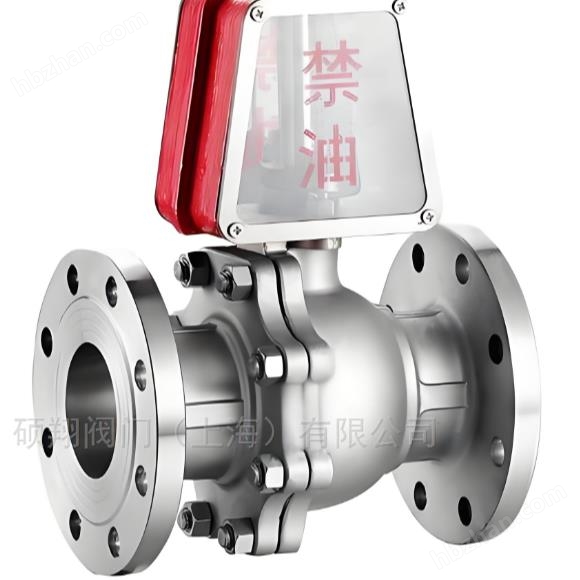
Shuoxiang oxygen specific ball valve is a valve specially designed and manufactured for oxygen delivery systems such as medical oxygen supply, metallurgy, chemical engineering, aerospace, etc. Its biggest feature is strict prohibition of oil and degreasing treatment to eliminate the risk of combustion or explosion caused by contact between oxygen and oil substances. These types of valves have extremely strict requirements in material selection, structural design, manufacturing processes, and cleanliness control to ensure safe and reliable operation in high-pressure, high flow rate oxygen environments.
Product Details
Shuoxiang Oxygen Ball Valve Product Introduction
Shuoxiang oxygen specific ball valve is a valve specially designed and manufactured for oxygen delivery systems such as medical oxygen supply, metallurgy, chemical engineering, aerospace, etc. Its biggest characteristic is strictBan on oilAnd throughdegreasing treatmentTo eliminate the risk of combustion or explosion that may occur due to contact between oxygen and oil substances. These types of valves have extremely strict requirements in material selection, structural design, manufacturing processes, and cleanliness control to ensure safe and reliable operation in high-pressure, high flow rate oxygen environments.
Core design concept:Everything is for safety. Eliminate any possible causes of explosion (such as oil pollution, particulate matter, static electricity, high temperature).

IIMain Structure and Characteristics of Shuoxiang Oxygen Ball Valve (Differences from Ordinary Ball Valve)
1. Strict degreasing and oil prohibition requirements
This is the most core and fundamental feature of oxygen valves.
Degreasing:All valve components (valve body, ball, valve stem, seals, bolts, and even packaging materials) must undergo strict degreasing processes to remove all grease and oil stains before assembly. Common degreasing agents include carbon tetrachloride, trichloroethylene, etc., to ensure the cleanliness of the internal chamber of the valve.
Oil prohibition design and assembly:The entire manufacturing, assembly, debugging, and packaging process must be carried out in an "oil-free workshop" or dedicated clean area. Operators are required to wear oil-free gloves and use oil-free tools and equipment. Valves must undergo strict grease content testing before leaving the factory.
2. Anti static structure
Question:Friction between polymer materials (such as PTFE valve seats) and metal spheres can easily generate static electricity, and electrostatic sparks are a hazard for igniting oxygen.
Solution:Valve settingsanti-static deviceUsually, springs or conductive components are installed between the ball and the valve stem, as well as between the valve stem and the valve body, to ensure that the generated static electricity is promptly exported to the valve body and grounded through pipelines to avoid static electricity accumulation.
3. Fire safety structure
Question:A fire occurs near the valve, and the soft seal will burn out, causing a large amount of medium leakage and exacerbating the fire situation.
Solution:adoptFire safety design.
Metal to metal secondary sealing:After the PTFE main valve seat is burned, the ball will move downward under the pressure of the medium and come into contact with a metal sealing surface on the valve body, forming a "secondary seal", thereby cutting off the medium to a certain extent and preventing catastrophic consequences.
Valve stem fireproof design:The sealing part of the valve stem also adopts a similar structure to prevent the valve stem from being flushed out or leaking in large quantities in a fire.
4. Special requirements for material selection
Copper ban rules:For oxygen valves with a pressure higher than 3.0 MPa, the valve body material is usuallyProhibition of using copper or copper alloysBecause high-pressure oxygen flow can cause violent oxidation reactions (combustion) on copper, which is very dangerous. The commonly used valve body material is stainless steel (such as 304SS, 316L SS), and forged brass can be used in low-pressure applications.
Sealing material:Valve seats and packing are typically made of materials that are self-lubricating, have a low coefficient of friction, and do not produce toxic gases after combustion, such asPolytetrafluoroethylene (PTFE)Modified PTFE (RPTFE) or partially fluorinated polymers. They can ensure sealing and meet cleaning requirements.
5. Other structural features
Full bore design:Reduce oxygen flow rate to minimize the risk of sparks caused by throttling heating or particle erosion.
Extended valve cover/stem:For low-temperature liquid oxygen (LOX) media, an extended valve stem design is adopted to keep the packing box away from the low-temperature zone, prevent the packing from freezing and failure, and prevent the valve stem from freezing.
IIIShuoxiang Oxygen Ball Valve Function
Safe shutdown:Reliable opening or cutting off of airflow in oxygen pipelines.
High cleanliness:Ensure that the oxygen medium transported is not contaminated by the inside of the valve.
Intrinsic safety:By designing anti-static, fire-resistant, and oil-free measures, the possibility of accidents caused by the valve itself is fundamentally eliminated.
Corrosion resistance:The valve body is made of stainless steel and other materials, which can withstand the oxidation of high-purity oxygen.
4The use, installation, and maintenance of Shuoxiang oxygen ball valves (safety guidelines) must follow extremely strict safety regulations for the installation and maintenance of oxygen valves.
Precautions for use and installation
Strictly prohibit contamination:During storage, installation, and use,strictly prohibitedContact with oils, fats, and organic matter. Operators must wear clean, oil-free gloves.
Special tools:Installation and maintenance must useDedicated, oil-freeThe tool should be clearly marked with the words' Oxygen only, strictly prohibited from touching oil '.
Pipeline cleaning:Before installation, it is necessary to ensure that all pipes and fittings connected to it have been installedDegreasing and blowingMeet the same cleanliness requirements. This is the most critical and easily overlooked aspect.
Installation direction:Pay attention to the flow arrow on the valve body to ensure correct installation direction.
Grounding:Pipelines and valves must be reliably installed in strict accordance with regulationsstatic groundingEnsure that static electricity can be conducted away.
maintenance
Regular inspection:
Leakage:Check for air bubble leakage at the valve stem packing and valve body connection (can be detected with oil-free soap solution).
Internal leakage:Check the sealing performance after the valve is closed.
Action performance:Check whether the opening and closing are smooth and whether there is any jamming.
Maintain the environment:Any dismantling and maintenance work must be carried out withinA clean and oil-free environmentGo ahead.
Parts replacement:All replacement spare parts must beSpecial spare parts for oxygen valves provided by the original factory and treated with degreasingIt is strictly prohibited to use parts of ordinary valves as substitutes.
Re degreasing:If the valve is contaminated during maintenance or accidentally (such as coming into contact with oil stains),It must be immediately stopped from use and removed for degreasing treatmentOnly after passing the inspection can it be reinstalled.
recordEstablish a comprehensive maintenance file to record each inspection, maintenance, and degreasing process.
Similar Product Recommend