-
E-mail
824964547@qq.com
-
Phone
18006467203
-
Address
801 North Tea City, Weicheng District, Weifang City, Shandong Province
Product Categories
Hippo (Shandong) Environmental Protection Equipment Co., Ltd
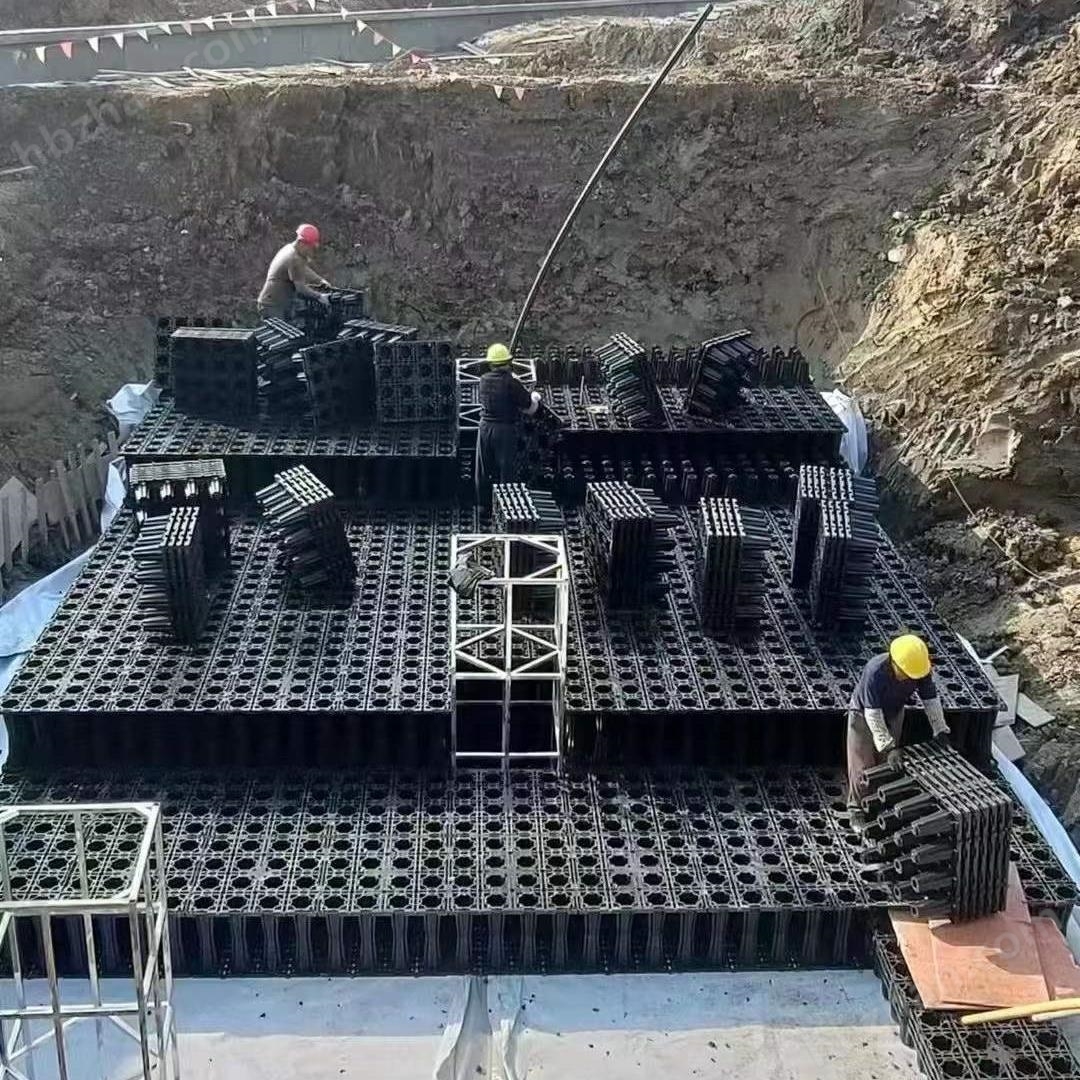
Rainwater recycling and collection system
NegotiableUpdate on 03/20
- Model
- Nature of the Manufacturer
- Producers
- Product Category
- Place of Origin
Overview
The rainwater recycling and utilization collection system adopts a split design, with modules that can be disassembled at will and directly stacked for transportation, saving valuable transportation space and preventing damage to colleagues.
Product Details
Rainwater recycling and collection systemFirst, it is necessary to collect rainwater. Usually, rainwater collection systems are installed on hardened surfaces such as building roofs, roads, and squares. The rainwater on the roof is relatively clean, with less impurities and pollutants, and can be collected directly; Due to the presence of impurities, surface rainwater needs to be properly disposed of and roughly filtered before being collected.
processing stage
The collected rainwater needs to be treated to meet the usage standards. The processing steps usually include multiple steps such as waste flow filtration, water storage, and purification. Abandoned flow filtration mainly removes large particle impurities and pollutants from rainwater; Water storage is the process of storing treated rainwater; Purification is the further removal of suspended solids, bacteria, and other harmful substances from water to ensure water quality safety.
Utilize the process
The treated rainwater can be used for various purposes, including greening irrigation, landscape water replenishment, washing, and groundwater supply.

implementRainwater recycling and collection systemThe steps mainly include the following aspects:
(1) Requirement assessment: Before implementation, it is necessary to evaluate the water demand and clarify the goals and uses of rainwater reuse, such as irrigation, flushing, etc.
(2) Design plan: Based on the results of the demand assessment, design a reasonable rainwater reuse system plan, including the design of collection, storage, treatment, and transportation processes.
(3) Construction and installation: Construct according to the design plan, install various components including roof collection devices, water storage systems, filtration equipment, and water pipelines.
(4) Debugging and operation: After the system installation is completed, debugging and trial operation are carried out to ensure that each link operates normally and the water quality meets the standards.
(5) Maintenance management: Establish a regular maintenance and management mechanism to ensure the long-term effective operation of the rainwater reuse system, including inspecting equipment, cleaning filters, and monitoring water quality.
Similar Product Recommend


