-
E-mail
824964547@qq.com
-
Phone
18006467203
-
Address
801 North Tea City, Weicheng District, Weifang City, Shandong Province
Product Categories
Hippo (Shandong) Environmental Protection Equipment Co., Ltd


Rainwater storage and collection system
NegotiableUpdate on 03/20
- Model
- Nature of the Manufacturer
- Producers
- Product Category
- Place of Origin
Overview
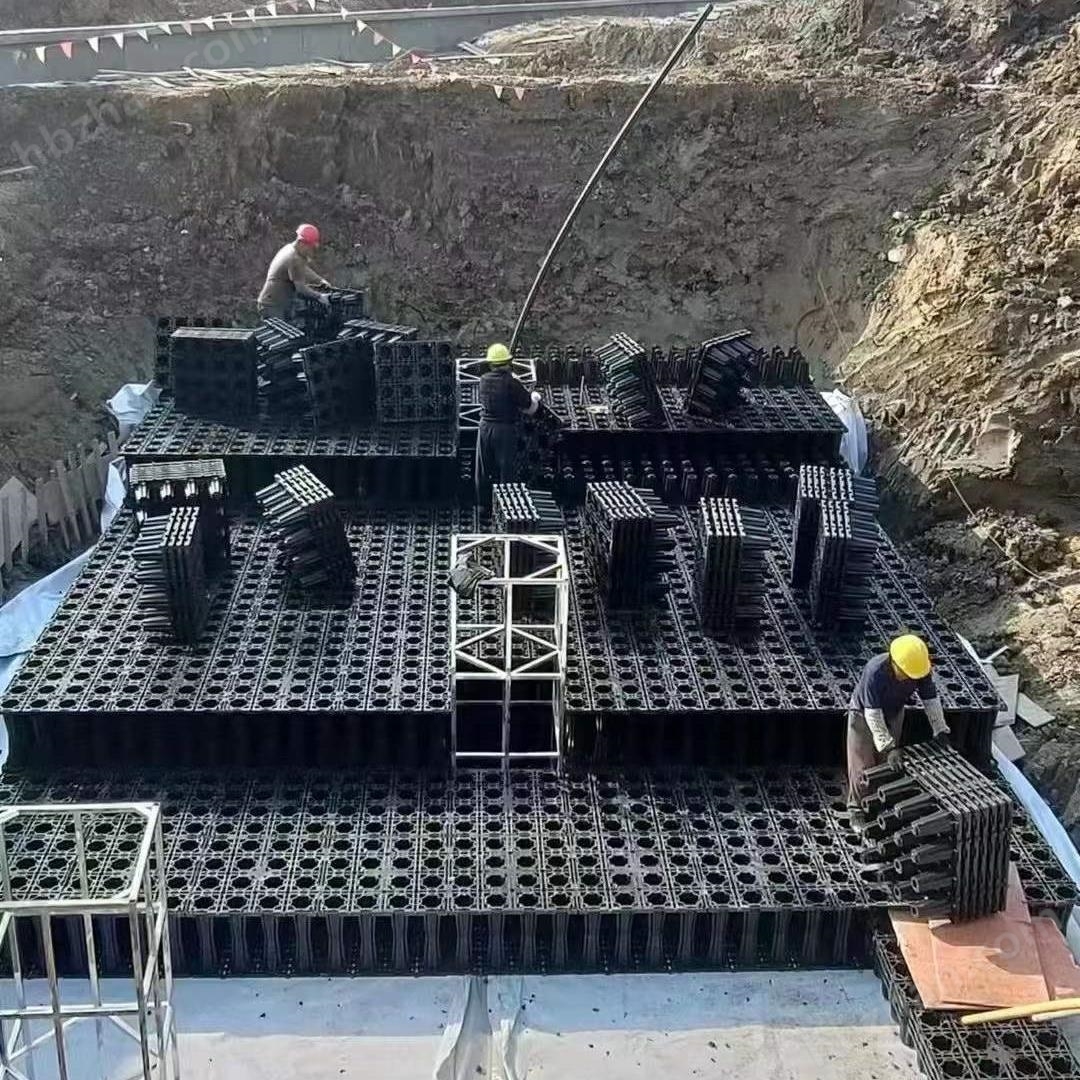
The rainwater storage and collection system is made of PP material injection molding, with strong bearing capacity and flexible assembly. Choose different external covering materials according to different usage requirements and occasions. It can be assembled into rainwater reuse tanks, rainwater storage tanks, rainwater infiltration tanks, rainwater infiltration tanks, and so on.
Product Details
Rainwater storage and collection systemIt mainly includes the following key parts: collection, water delivery, water purification, and storage.
Collection: Firstly, collect rainfall runoff through hardened surfaces such as roofs, roads, and squares. Rainwater from the roof enters the collection system through rainwater pipes, while rainwater from roads and squares is collected through drainage ditches or open channels.
Water transportation: The collected rainwater is transported to the water purification process. During this process, rainwater will be transported to the water treatment equipment through pipelines or channels.
Water purification: In the water purification process, rainwater is filtered and purified to remove impurities and pollutants, ensuring that the water quality meets the usage standards. This step usually involves various methods such as physical filtration, chemical treatment, and biological treatment.
Storage: Purified rainwater is stored in a reservoir for future use. Reservoirs are usually designed with overflow pipes and pumps to ensure timely drainage of excess water in case of excessive rainfall, and to provide the required amount of water through pumps when needed.

Rainwater storage and collection systemThe application value is reflected in multiple aspects:
1. Water conservation
By collecting and storing rainwater, it is possible to effectively reduce the use of tap water and lower water bills for households and businesses. Especially during the dry season, the rational utilization of rainwater resources is particularly important.
2. Environmental Protection
The use of rainwater collection systems can reduce rainwater runoff and lower the risk of urban waterlogging. Rainwater enters the groundwater system through natural filtration, which helps to maintain the sustainability of water resources.
3. Improve the efficiency of water resource utilization
Rainwater collection and storage modules can improve the efficiency of water resource utilization, especially in fields such as agriculture and horticulture. Reasonable utilization of rainwater can improve the water supply for crop growth and reduce excessive exploitation of groundwater.
Similar Product Recommend