-
E-mail
824964547@qq.com
-
Phone
18006467203
-
Address
801 North Tea City, Weicheng District, Weifang City, Shandong Province
Product Categories
Hippo (Shandong) Environmental Protection Equipment Co., Ltd



Urban rainwater collection and utilization system
NegotiableUpdate on 03/20
- Model
- Nature of the Manufacturer
- Producers
- Product Category
- Place of Origin
Overview
The basic working principle of urban rainwater collection and utilization system is to collect rainwater that falls on the roof or other surfaces of buildings and guide it to water storage equipment
Product Details
Urban rainwater collection and utilization systemIt is a technology that effectively utilizes natural resources by collecting, storing, and processing precipitation to achieve the goal of reuse. With the acceleration of urbanization, the shortage of water resources has become increasingly prominent, and the application of rainwater reuse systems has become increasingly important.
It mainly includes the following steps: collection, storage, purification, and reuse.
Collection: The rainwater collection system first receives rainwater through collection surfaces such as roofs, roads, vegetation, etc. These catchment surfaces guide rainfall runoff to water pipelines (such as rainwater pipes, drainage ditches, etc.), thereby conducting rainwater to storage facilities.
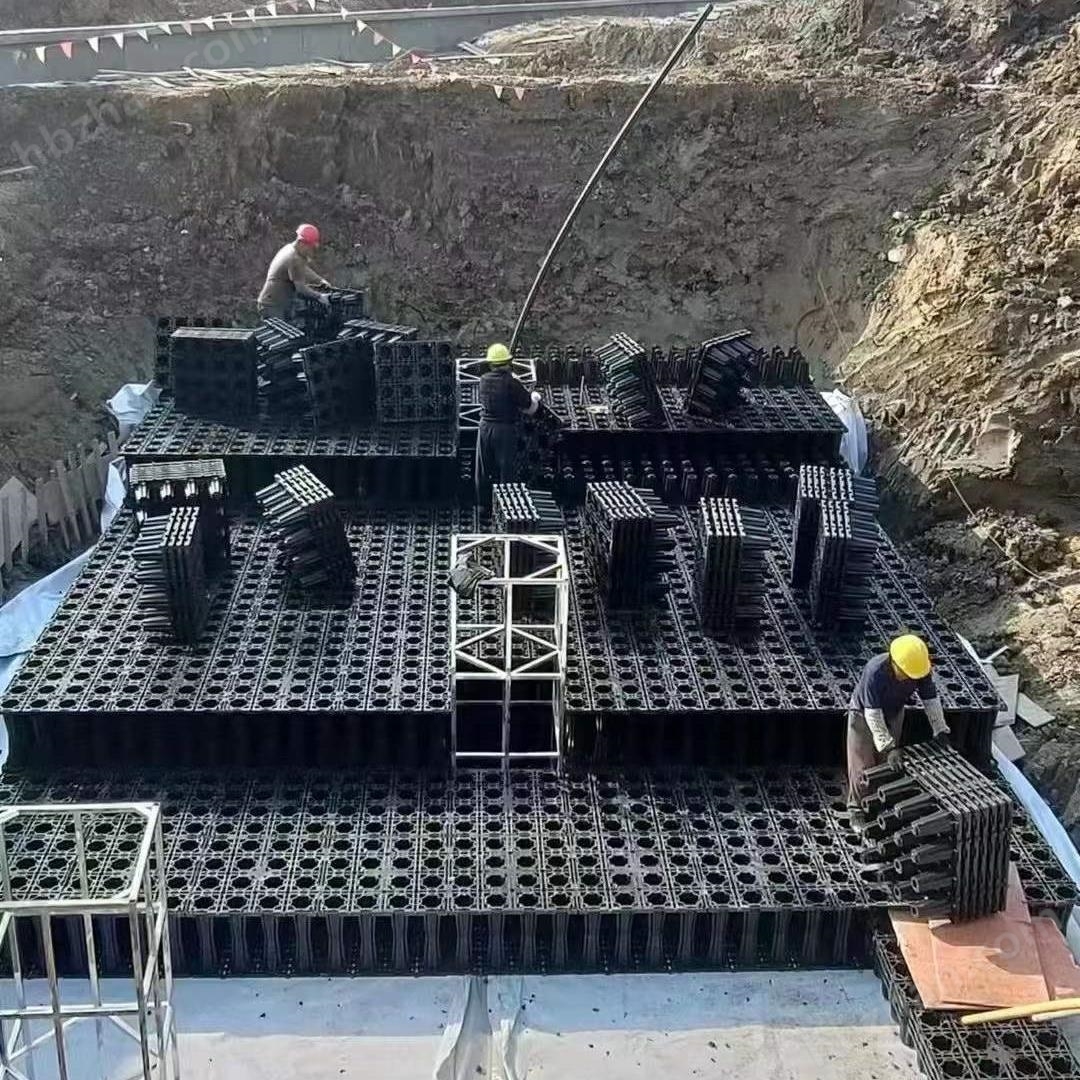
Storage: The collected rainwater is directed into a storage container or pool for future use.
Purification treatment: Depending on the purpose and quality requirements of rainwater, it is sometimes necessary to filter, disinfect, and purify the collected rainwater to ensure that it meets the usage standards.
Reuse: Purified rainwater can be used for various non potable water needs, such as irrigation, toilet flushing, road cleaning, etc. In addition, rainwater can also be retained through lake regulation, greening, and other methods, discharged through drainage pipes, and purified through a water purification system to alleviate urban waterlogging problems.

Urban rainwater collection and utilization systemThe components mainly include the following aspects:
(1) Collection device: mainly used for collecting rainwater, usually including roofs, rainwater pipes, and rainwater collectors. The design of the roof should consider the flow direction and collection efficiency of rainwater, ensuring innovative collection of rainwater to the maximum extent possible.
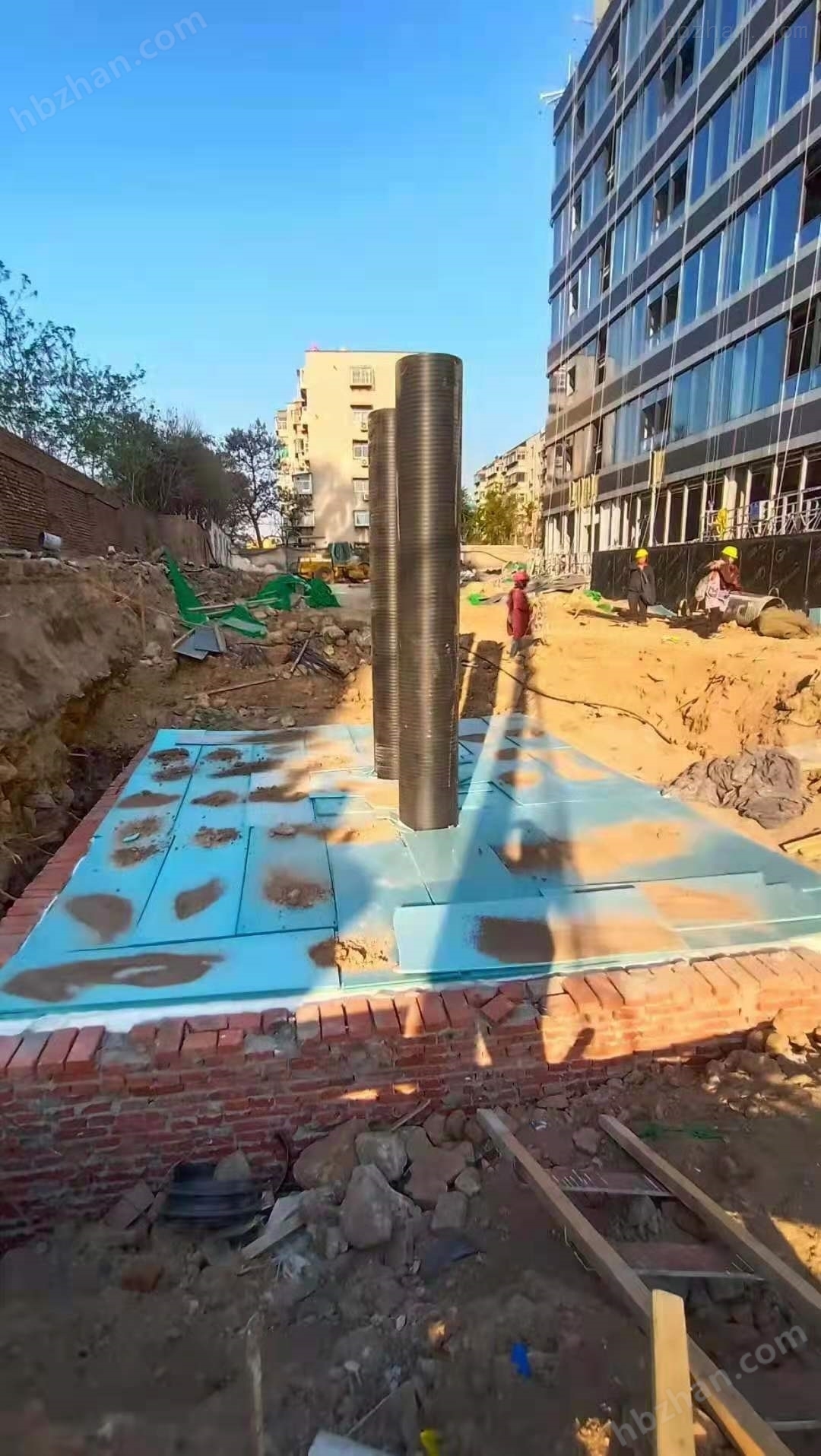
(2) Water storage system: used to store collected rainwater, which can be an underground water storage tank or a surface water tank. The design of water storage systems should consider water demand, frequency of use, and water quality requirements.
(3) Filtering and processing equipment: used for purifying rainwater to ensure that water quality meets usage standards. Filtering equipment can take various forms, such as sand filters, activated carbon filters, and membrane filters.
(4) Water pipeline: used to transport treated rainwater to various water points, the layout of the pipeline should be reasonable to reduce water flow resistance and leakage risk.
(5) Control system: used to monitor and manage the operation of the rainwater reuse system, including functions such as water level monitoring, flow control, and water quality detection.
Similar Product Recommend