-
E-mail
13701536618@139.com
-
Phone
13701536618
-
Address
No. 28 Chengwen Road, Gaocheng Town, Yixing City, Wuxi City, Jiangsu Province
Product Categories
Jiangsu Youruide Environmental Technology Co., Ltd

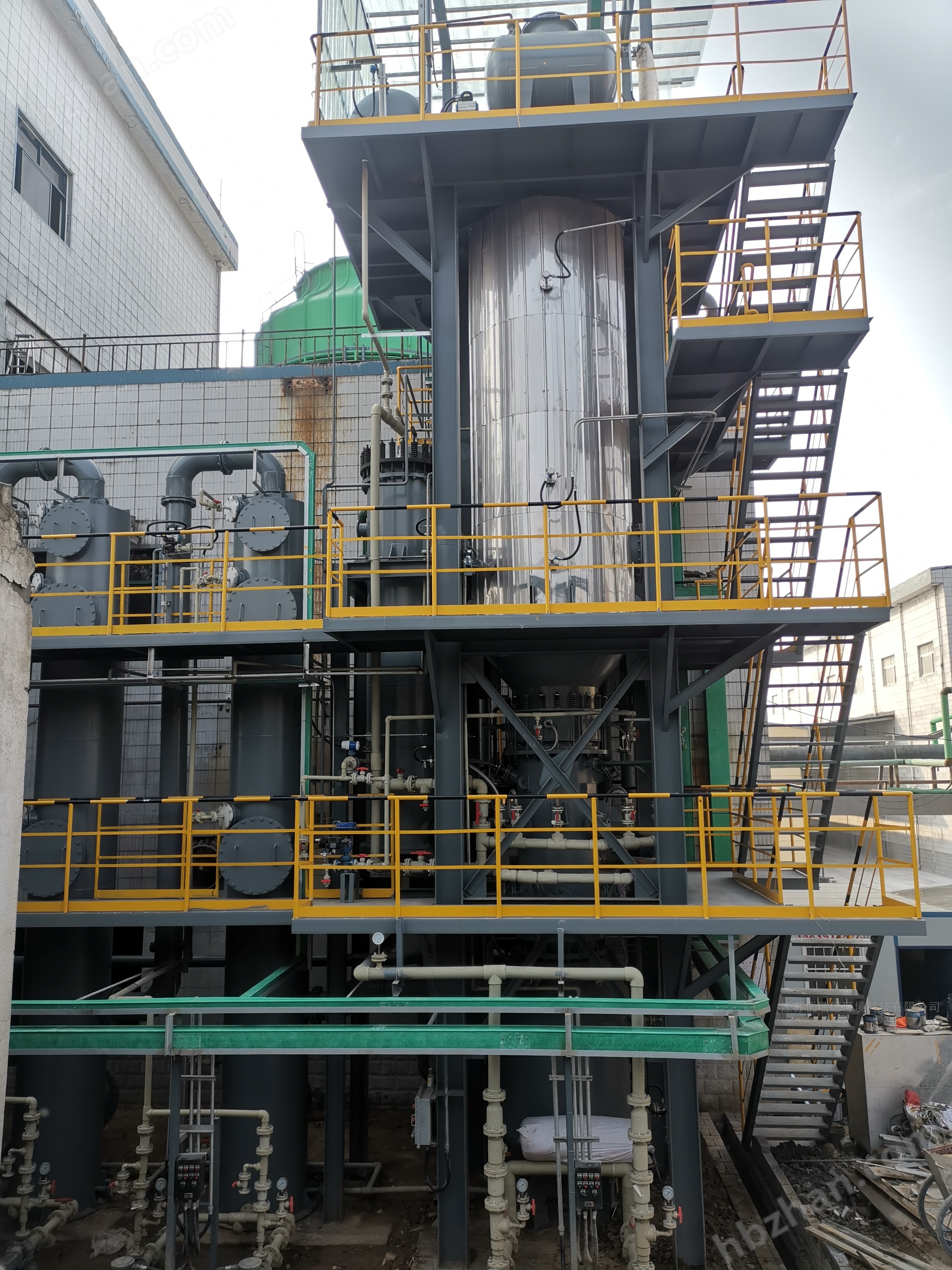

Rotary kiln type medical waste incinerator (centralized disposal of medical waste) medical waste treatment equipment
NegotiableUpdate on 04/01
- Model
- Nature of the Manufacturer
- Producers
- Product Category
- Place of Origin
Overview
Rotary kiln type medical waste incinerator (centralized disposal of medical waste) $r $n1, hourly processing capacity: 100kg/h~1000kg/h; $r $n2, daily processing capacity: 3t/d~30t/d.
Product Details
Rotary kiln type medical waste incinerator (centralized disposal of medical waste)
1、 Analysis of Characteristics of Medical Waste:
Hospital garbage contains harmful bacteria and viruses such as Escherichia coli, Salmonella, Pseudomonas aeruginosa, dysentery bacillus, hepatitis B virus, etc. The total number of bacteria is large, and it is a kind of harmful solid waste. To destroy and remove harmful bacteria and viruses, it is advisable to use high-temperature incineration treatment. In recent years, some incinerators suitable for the treatment of hazardous solid waste have been developed in China. Among them, rotary kiln incinerators have the advantages of simple structure, low cost, reliable operation, easy control, and stable combustion. They can be built into large, medium, and small rotary kiln incinerators, which are suitable for centralized incineration of urban hospital waste, self owned incinerators in large hospitals, and self owned incinerators in small and medium-sized hospitals. Centralized incineration can use highly automated and high-level sewage treatment equipment, and can recover heat energy, but the investment and operating costs are relatively high, requiring municipal investment to construct and maintain operation, which is suitable for economically developed metropolises with high environmental quality requirements; Self provided incinerators for decentralized processing can reduce transportation pressure, with lower investment and operating costs, and are easily accepted by users. However, whether they can meet the requirements of incineration is a concern for people. This article introduces the rotary kiln incinerator and provides preliminary design and thermal calculations for hospital owned incinerators suitable for small and medium-sized applications.
IIRotary kiln type medical waste incinerator (centralized disposal of medical waste)Structure and principle:
Our company has designed this medical waste treatment system based on the characteristics of medical waste and combined it with mature rotary kiln incineration technology. The basic process flow is that the entire incineration system is divided into two combustion chambers, achieving staged combustion. ① The one combustion chamber kiln body can rotate to transport waste and enhance the mixing of heat and mass inside the kiln. The rotation speed is about 0.5-1.0 rpm, and the residence time of waste in it is about 0.5-1.5 hours. The combustion temperature is guaranteed to be withinAbove 850 ℃The feeding speed is controlled to ensure that the volume of waste in the kiln accounts for 20% of the total volume. A suitable amount of natural gas or diesel can be used as auxiliary fuel in a combustion chamber, and industrial combustible waste liquid can also be mixed. In a combustion chamber, reactions such as volatile matter release, cracking, partial combustion of combustible gas, combustion and burnout of residual carbon occur. The combustible gas generated from the first combustion chamber enters the second combustion chamber, where a small amount of auxiliary fuel is injected to maintain the furnace insideA combustion temperature of around 1100 ℃ and sufficient residence time of the flue gas (≥ 2 seconds);This can ensure the rapid and efficient reaction of combustible gas,Ensure the thermal reduction rate and destruction rate of wasteAfter the exhaust gas is discharged from the secondary combustion chamber, it is then treated by the exhaust gas treatment system to meet the emission standards.
In addition to being used for hospital waste incineration, rotary kilns can also be used for incinerating other solid waste, slurry, solid-liquid mixtures, etc.
3、 Characteristics of hospital waste:
1. The calorific value is about 7000kJ/kg;
2. The bulk density is about 300-500kg/m3, and the design calculation takes a bulk density of 400kg/m3;
3. Moisture content of 40% to 50%, ash content of 10%, pH value of 8-9.
Similar Product Recommend


