-
E-mail
shyishuang@163.com
-
Phone
13817714336
-
Address
85 Mingnan Road, Songjiang District, Shanghai
Product Categories
- Plate making wastewater treatment process
- Electrophoretic wastewater treatment equipment
- Integrated equipment for domestic sewage treatment
- Underground sewage treatment facilities
- Integrated equipment for domestic wastewater treatment
- Defatting wastewater treatment
- Copper wastewater treatment equipment
- Laboratory sewage treatment equipment
- Copper containing wastewater treatment equipment
- Industrial oily wastewater treatment equipment
- Industrial reverse osmosis pure water equipment
Shanghai Yishuang Environmental Technology Engineering Co., Ltd
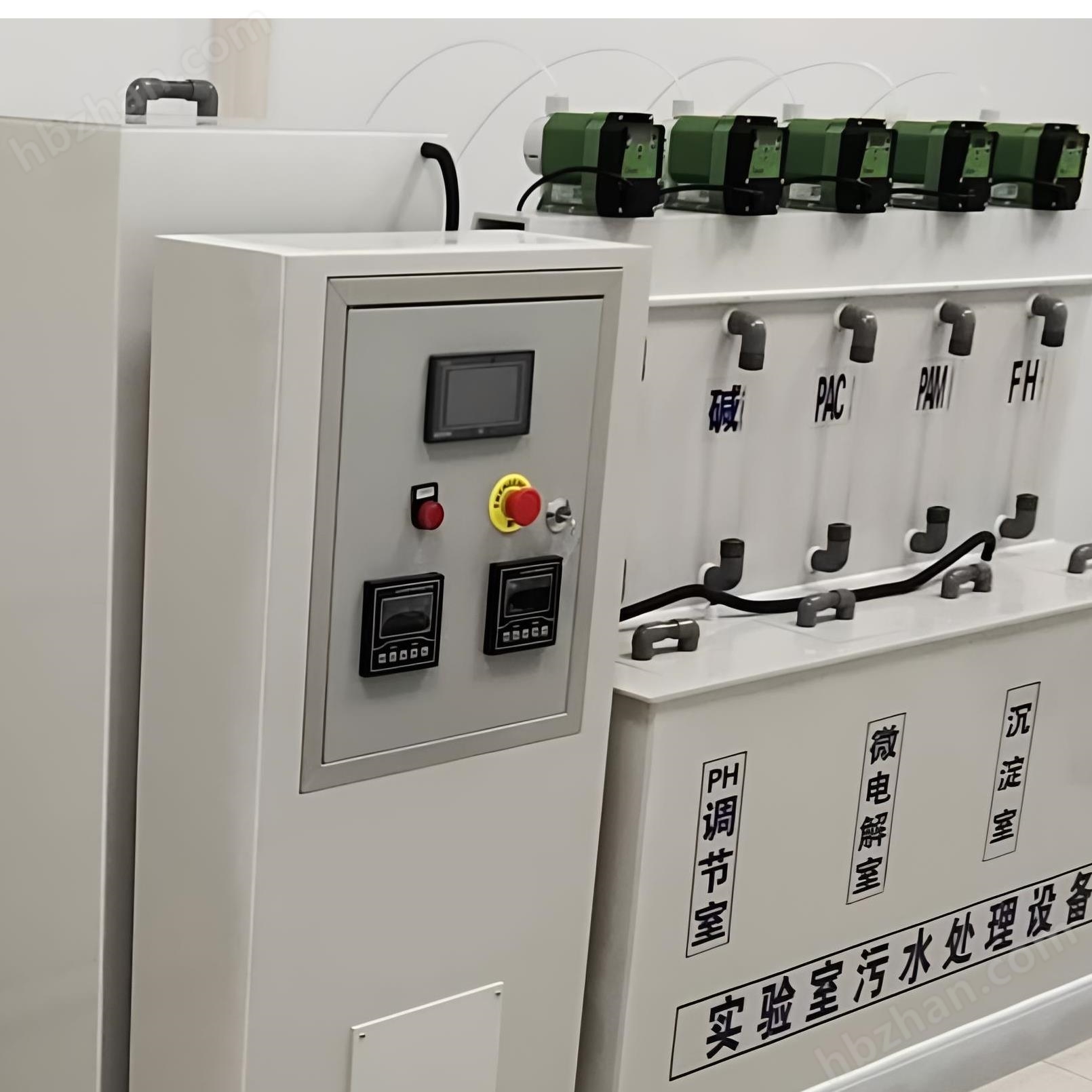
Small clinic sewage treatment equipment
NegotiableUpdate on 03/19
- Model
- Nature of the Manufacturer
- Producers
- Product Category
- Place of Origin
Overview
The first step in selecting sewage treatment equipment for small clinics is to clarify one's own needs and local environmental regulations. The equipment treatment capacity and process type need to be determined based on the daily sewage discharge of the clinic (such as about 0.5-2 tons/day for dental clinics and about 2-5 tons/day for small comprehensive clinics), the composition of the sewage (including medical pollutants such as pathogens, disinfectants, and drug residues), and the discharge requirements (such as meeting the pre-treatment standards of GB 18466-2005 for water pollutants discharged into municipal pipelines, and meeting the discharge standards for direct discharge).
Product Details
1Small clinic sewage treatment equipmentClearly handle requirements and compliance standards
The first step in choosing a clinic sewage treatment equipment is to clarify one's own needs and local environmental regulations. The equipment treatment capacity and process type need to be determined based on the daily sewage discharge of the clinic (such as about 0.5-2 tons/day for dental clinics and about 2-5 tons/day for small comprehensive clinics), the composition of the sewage (including medical pollutants such as pathogens, disinfectants, and drug residues), and the discharge requirements (such as meeting the pre-treatment standards of GB 18466-2005 for water pollutants discharged into municipal pipelines, and meeting the discharge standards for direct discharge).
IISmall clinic sewage treatment equipmentComparison of core processing techniques
1. Integrated biological treatment equipment
Applicable scenarios: Clinics with small sewage volume (<5 tons/day) and moderate organic matter concentration.
Principle: COD, BOD, and some nitrogen and phosphorus are removed through anaerobic/aerobic biological reactions, combined with disinfection units (such as ultraviolet light and chlorine dioxide) to inactivate pathogens.
Advantages: High degree of automation, small footprint (about 1-3 square meters), low operating costs (electricity and chemical fees of about 0.5-1 yuan/ton of water).
Attention: Regular maintenance of the aeration system is required to avoid sludge blockage.
2. Chemical disinfection treatment equipment
Applicable scenarios: Clinics with large instantaneous drainage and simple pollutant composition (such as containing only a small amount of pathogens).
Principle: Chemical agents such as sodium hypochlorite and chlorine dioxide are added to kill bacteria and viruses through oxidation reactions, and suspended solids are removed by precipitation.
Advantages: Simple equipment structure, low investment cost, and convenient installation.
Attention: It is necessary to strictly control the dosage of the medication to avoid excessive residual chlorine; The generated sludge needs to be disposed of by professional institutions.
3. Membrane bioreactor (MBR) equipment
Applicable scenarios: Clinics with high requirements for effluent quality (such as reuse for flushing) or extremely limited venues.
Principle: The combination of membrane separation technology and biological treatment efficiently intercepts pollutants, resulting in low effluent turbidity.
Advantages: Good effluent quality, direct reuse, and low sludge production.
Limitations: Membrane components are prone to clogging, high replacement costs, and high energy consumption during operation.
3、 Consideration of key performance parameters
Processing efficiency: Focus on COD removal rate (should be ≥ 80%), fecal coliform removal rate (should reach 99.9% or above), and disinfection effect stability.
Automation and Operations: Prioritize equipment with automatic liquid level control, automatic dosing of chemicals, and fault alarm functions to reduce manual operations; Confirm whether the supplier provides regular maintenance services (such as membrane cleaning and filter replacement).
Energy consumption and cost: Compare equipment power, medication consumption, and consumable replacement cycle to comprehensively evaluate long-term operating costs.
Floor area: Choose vertical or horizontal equipment based on the available space in the clinic. Integrated equipment is usually required to be installed indoors or under a rain shelter to avoid weather conditions.
4、 Selection process and precautions
Requirement research: Contact 3-5 professional suppliers to provide information on clinic sewage volume, water quality, and discharge destinations, and obtain customized solutions.
Qualification verification: Suppliers are required to provide equipment environmental certification, third-party testing reports, and successful cases (such as the application effects of similar clinics in the surrounding area).
Contract terms: specify the equipment warranty period, after-sales service response, and guarantee of vulnerable parts supply.
Installation and commissioning: Ensure that suppliers provide on-site installation services and assist in completing environmental department acceptance and filing.
Through the above steps, clinics can scientifically select sewage treatment equipment that is compliant, economical, and stable based on their own scale, water quality characteristics, and budget, to achieve safe and standard discharge of medical wastewater.
Similar Product Recommend