-
E-mail
hzhuf@163.com
-
Phone
13503187732
-
Address
Hongwuzhuang Village, Zaoqiang County, Hebei Province
Product Categories
Zaoqiang Runhe Environmental Protection Equipment Co., Ltd

Odor collection pipeline of biological deodorization system
NegotiableUpdate on 01/08
- Model
- Nature of the Manufacturer
- Producers
- Product Category
- Place of Origin
Overview
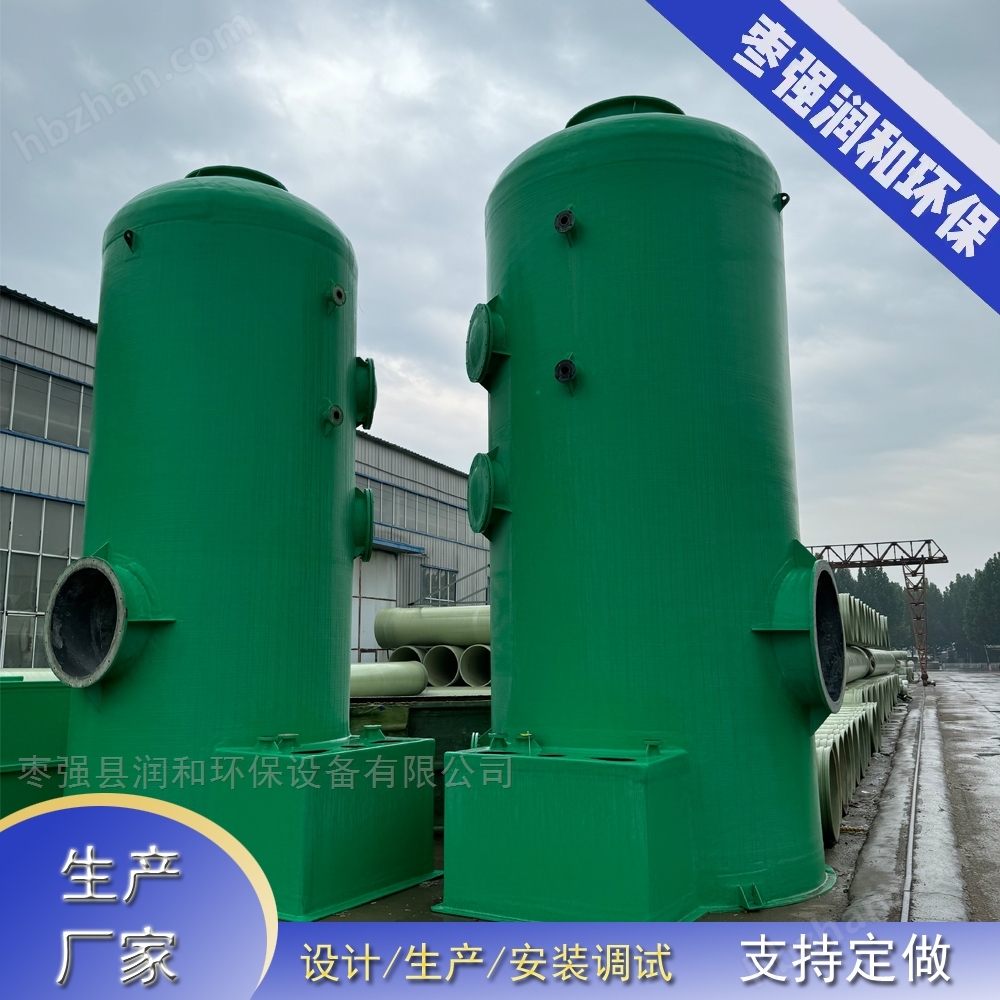
The odor collection pipeline, fiberglass air duct, and fiberglass pipeline are the pre units of the biological deodorization system, which are used to collect odor from pollution sources and provide air intake conditions for subsequent biological filters/drip towers.
Product Details
Odor collection pipeline of biological deodorization systemFiberglass ducts and fiberglass pipelines are the pre units of the biological deodorization system, which collect odor from pollution sources and provide air intake conditions for subsequent biological filters/drip towers.
Design principles for odor collection pipelines
Full coverage collection: Based on the pollution source (sewage tank, garbage bin, reaction kettle, etc.), a sealed cover/cover plate+pipeline series design is adopted;
Low resistance conveying: Optimize pipeline direction and diameter, control resistance loss along the way ≤ 500Pa, local resistance loss ≤ 300Pa, and reduce fan energy consumption;
Corrosion and aging resistance: Suitable for odor components (including corrosive media such as H ₂ S, NH ∝, VOCs, etc.), materials must meet the requirements of long-term operation without damage or leakage;
Anti liquid accumulation and anti blockage: pipeline slope and low point discharge design to avoid condensation water accumulation or particle deposition;

Odor collection pipeline of biological deodorization systemStructure and layout design:
1. Layout of fiberglass pipeline
Direction: Short path, few bends (preferably 45 ° bends, avoid 90 ° right angle bends), reduce local resistance;
Branch design: adopting a "main pipe+branch pipe" tree layout, with the angle between the branch pipe and the main pipe ≤ 30 °, to avoid airflow opposition;
Sealing cover connection: Fiberglass pipes are connected to sealing covers (such as sewage tank cover plates) using flanges or flexible joints, with reserved compensation for thermal expansion and contraction.
2. Accessories for odor collection pipeline
Discharge outlet: DN50~DN100 discharge valves are installed at the low point of the pipeline to regularly discharge condensate water (including pollutants, which need to be returned to the sewage treatment system);
Inspection port: DN400 inspection holes are set every 30-50m for pipeline cleaning and maintenance;
Detection port: Set up sampling ports at the end of the main pipeline and the entrance of the biological filter to monitor the concentration of odor (H ₂ S, NH ∝ VOCs);

Key points for installation and maintenance of odor collection pipelines:
1. Installation specifications
Support spacing: FRP pipe support spacing ≤ 2.5m, steel pipe support spacing ≤ 3.5m, to avoid deformation of odor collection pipes;
Alignment requirements: When connecting the odor collection pipeline, the axis deviation should be ≤ 2mm/m, and the flange sealing surface should not be damaged;
2. Daily maintenance
Regular inspection: Check the fiberglass air ducts, fiberglass pipeline interfaces, valves for leaks, and brackets for looseness every week;
Cleaning and maintenance: Clean the inner wall of the pipeline with high-pressure water (pressure ≤ 0.8MPa) every 6-12 months to remove dust and attachments;
Emergency response: When a leak is discovered, immediately turn off the corresponding area fan, exhaust the odor in the pipeline, and carry out maintenance.

Similar Product Recommend