-
E-mail
hzhuf@163.com
-
Phone
13503187732
-
Address
Hongwuzhuang Village, Zaoqiang County, Hebei Province
Product Categories
Zaoqiang Runhe Environmental Protection Equipment Co., Ltd

Spray branch pipe, fiberglass pipeline, Dabie Mountain
NegotiableUpdate on 01/08
- Model
- Nature of the Manufacturer
- Producers
- Product Category
- Place of Origin
Overview
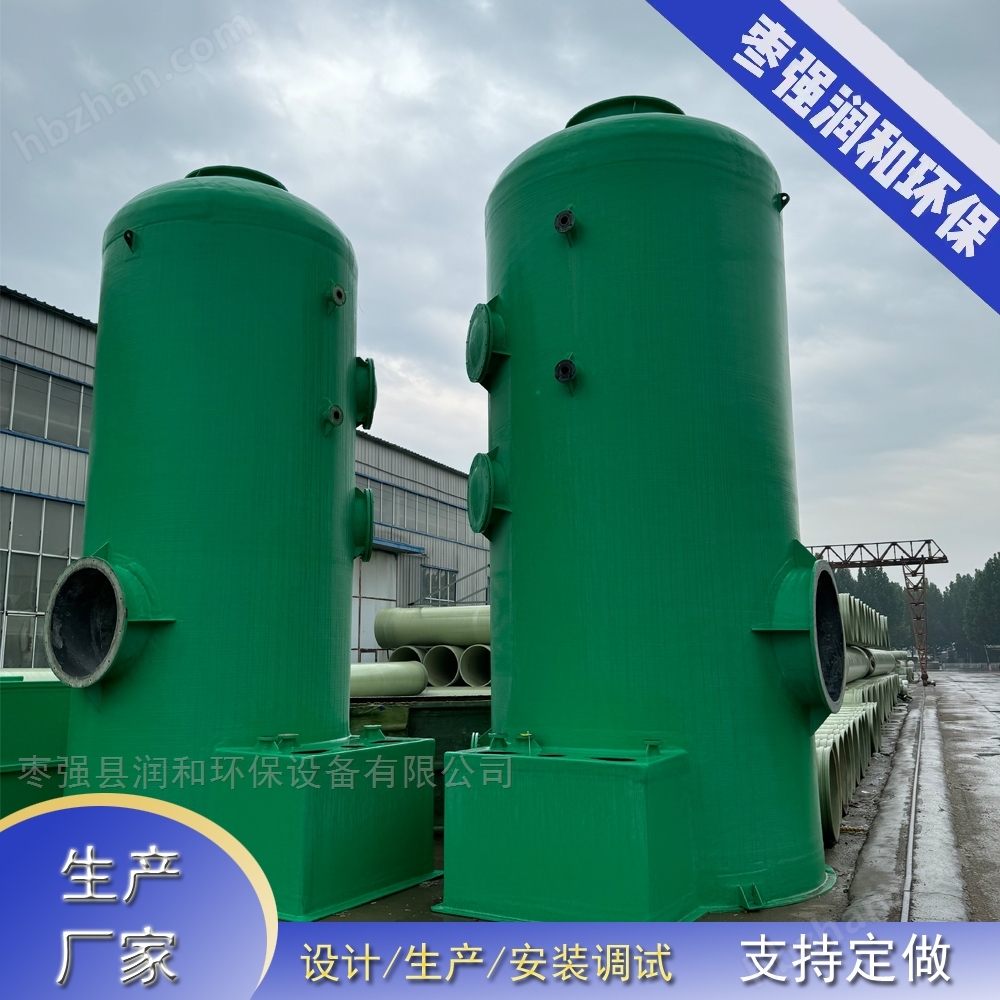
Spray branch pipes and fiberglass pipelines are components of the spray system in equipment such as desulfurization towers and spray towers. Fiberglass spray pipes are mainly used to evenly distribute the slurry to various nozzles, in order to achieve sufficient gas-liquid contact and absorption of harmful gases.
Product Details
Spray branch pipe, fiberglass pipeline, Dabie MountainFiberglass spray pipes are a component of the spray system in equipment such as desulfurization towers and spray towers. They are mainly used to evenly distribute the slurry to various nozzles, in order to achieve sufficient gas-liquid contact and absorption of harmful gases. The fiberglass sprinkler branch pipe is made using winding technology, and its winding layer structure is divided into wear-resistant layer and corrosion-resistant layer from the outside and inside. The wear-resistant layer is composed of glass fiber surface felt, resin, and wear-resistant filler, with a thickness of about 0.5mm; the corrosion-resistant layer is composed of a rich resin layer and an intermediate layer, with a high resin content and a thickness of about 3.0-4.0mm; the reinforcement layer is composed of glass fiber and short cut fiber felt, resin.
Spray branch pipe, fiberglass pipeline, Dabie MountainConnection method:
The connection method between the spray branch pipe and the main pipe, and between the branch pipe and the nozzle is usually adhesive or flange connection. The winding and bonding process has the advantages of high connection strength, low leakage, simple process, and low cost; Flange connections have the characteristics of easy installation and disassembly, good sealing performance, and are convenient for pipeline installation, maintenance, and overhaul.

Installation details of fiberglass pipeline on site:
Support and fixation requirements: Flexible brackets (such as rubber brackets) should be used for fixation, and hard contact or excessive fastening is prohibited. The spacing between brackets should be adjusted according to the pipe diameter (usually ≤ 1.5 meters) to avoid the suspension and stress of fiberglass sprinkler pipes.
Key points of connection process: When bonding, the surface of the interface should be cleaned and dried first, and the adhesive should be evenly applied. After the interface is left to cure (control the time according to the adhesive instructions); When connecting the flange of the fiberglass sprinkler pipe, corrosion-resistant gaskets should be used, and the bolt tightening force should be uniform to avoid excessive local stress that may cause flange deformation.
Installation details of nozzle: The connection between the nozzle and the spray branch pipe should be sealed in place, and calibrated one by one after installation to ensure consistent spray angles and avoid blind spots.

Installation and commissioning of sprinkler branch pipes and fiberglass pipelines:
Sealing test: After the installation of the fiberglass sprinkler branch pipe is completed, a water pressure test shall be conducted with a test pressure of 1.5 times the working pressure. If there is no leakage or pressure drop for 30 minutes, it is considered qualified.
Spray effect debugging: Start the system for trial spraying, observe whether the nozzle water is evenly distributed, whether there is dripping or splashing, and adjust the nozzle angle or replace damaged parts in a timely manner.
Follow up protection: Install protective covers on areas of fiberglass pipelines that are prone to collision, and clearly mark that stepping on or hanging heavy objects is prohibited.

Similar Product Recommend